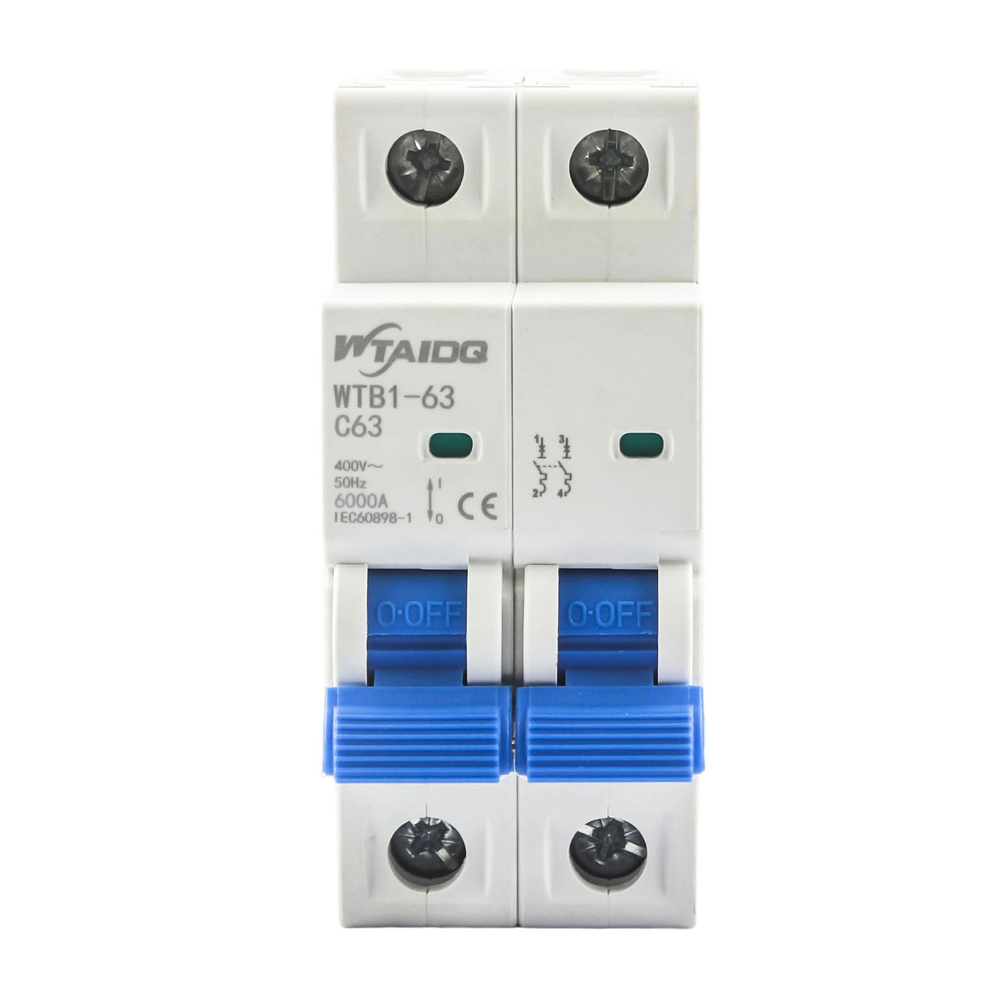
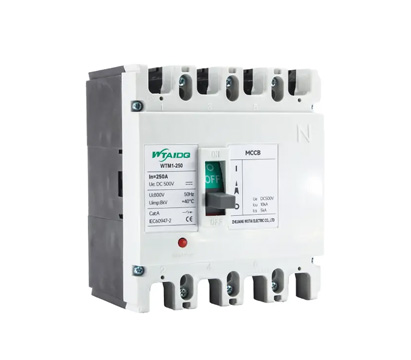
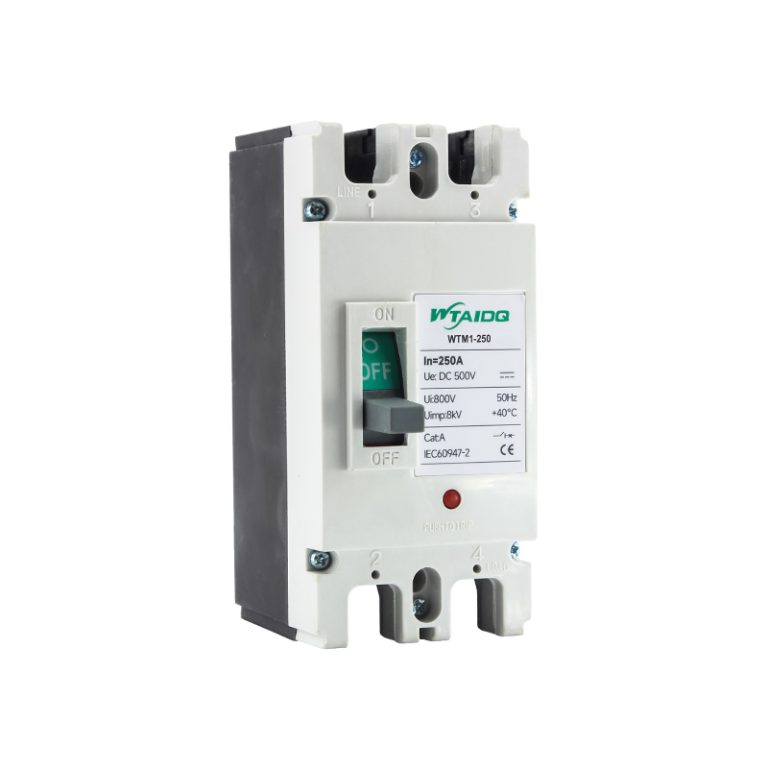
WTM1-250 2P DC Molded Case Circuit Breaker MCCB
WTM1-250 2P DC MCCB. 250A rated, 2-pole. Overload/short circuit protection for DC circuits.
Request A Quote
WTAIELE manufactures miniature, residual current, moulded case and smart circuit breakers for AC and DC distribution, from 6 A to a 250 A frame.
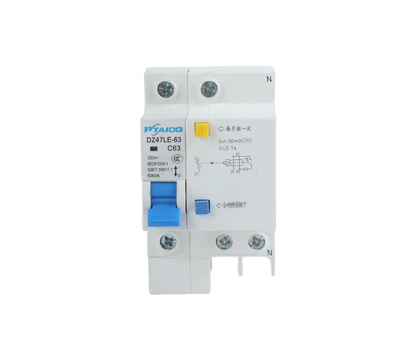
The breaker follows the circuit, and the circuit type decides the family. Final circuits for lighting and sockets take a miniature breaker: DZ47-63 up to 63 A, DZ47-125 up to 100 A. Where the circuit needs earth leakage protection as well as overload protection, DZ47LE adds residual current sensing at 30, 100 or 300 mA.
Feeders and mains take a moulded case breaker, because a miniature frame no longer has the current capacity or the breaking capacity. WTCM1-250 covers AC feeders, and WTM1-250 covers DC feeders up to 1500 V. DC final circuits use WTM7-63, which is rated by pole count.
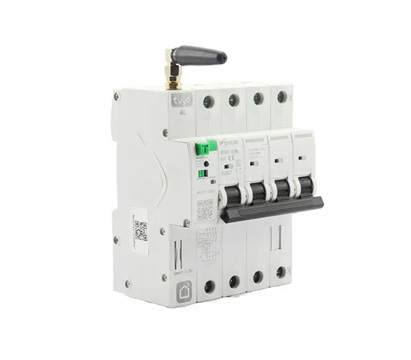
Smart breakers answer a different question: they replace a standard two-pole breaker where the site needs metering and remote switching, not where the fault level is higher. WTB2-80ML covers 32 A to 80 A with WiFi or 4G.
WTM1-250 2P DC MCCB. 250A rated, 2-pole. Overload/short circuit protection for DC circuits.
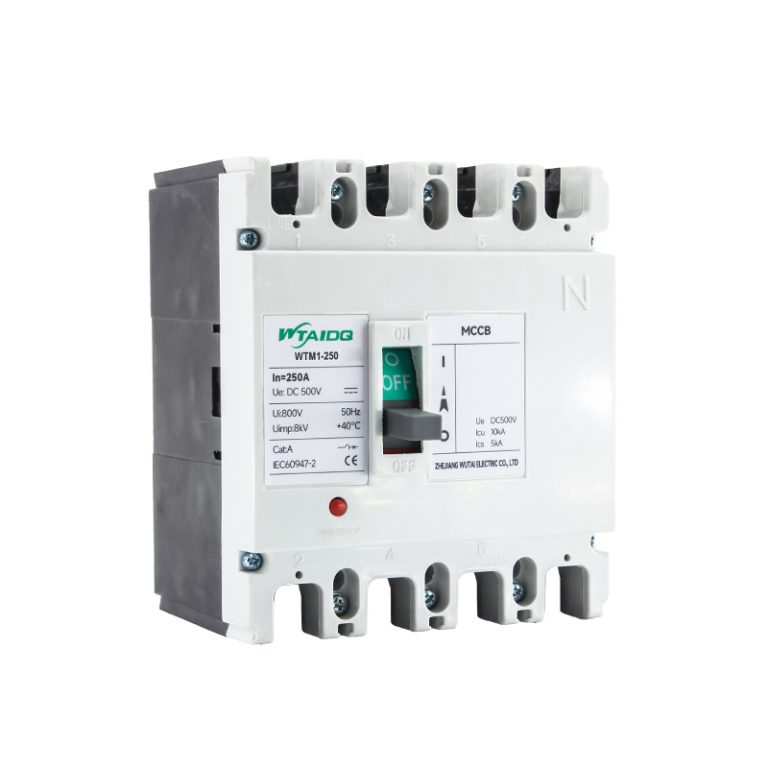
WTM1-250 4P DC MCCB. 250A rated, 4-pole. Overload/short circuit protection for DC circuits.
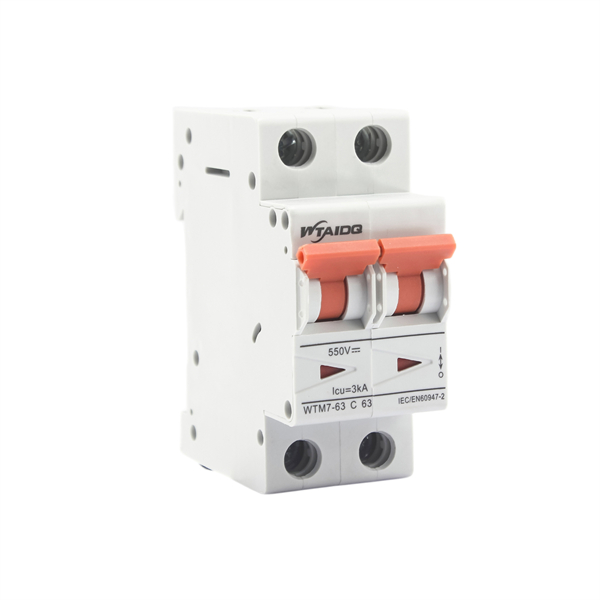
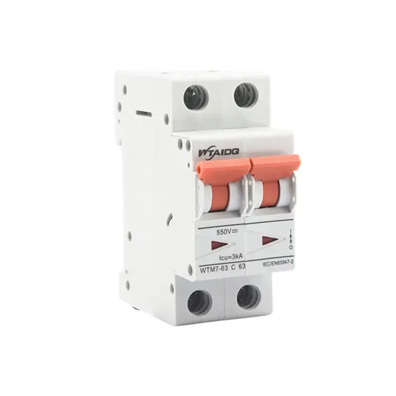
WTM7-63 2P DC miniature circuit breaker for 550 V DC strings: 6 kA breaking capacity, C curve, 6 to 63 A, 36 mm body, 25 mm² terminals, 35 mm DIN rail.
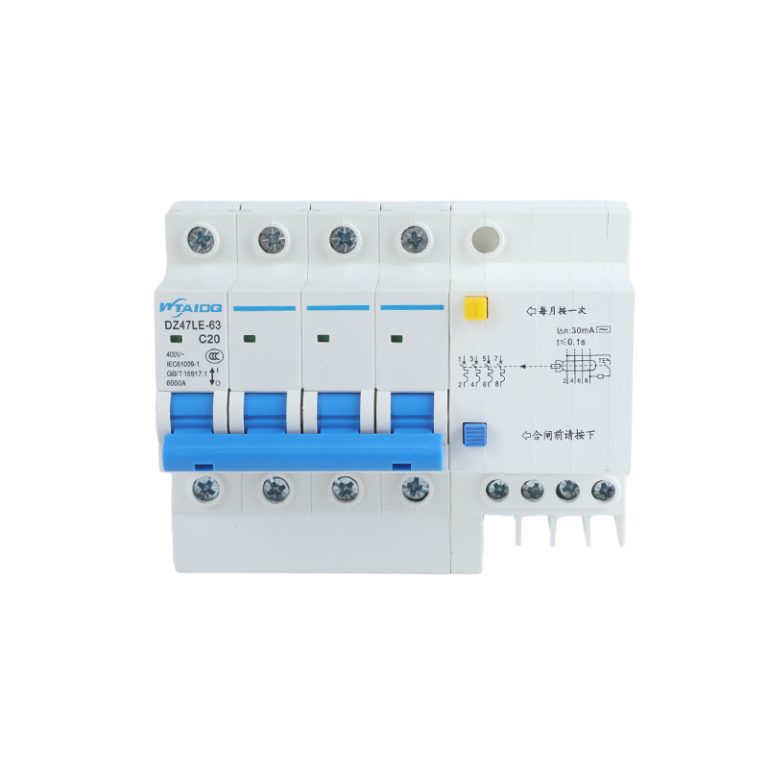
DZ47LE-63 4P 20A RCCB with residual current protection. 4-pole, 20A rated.
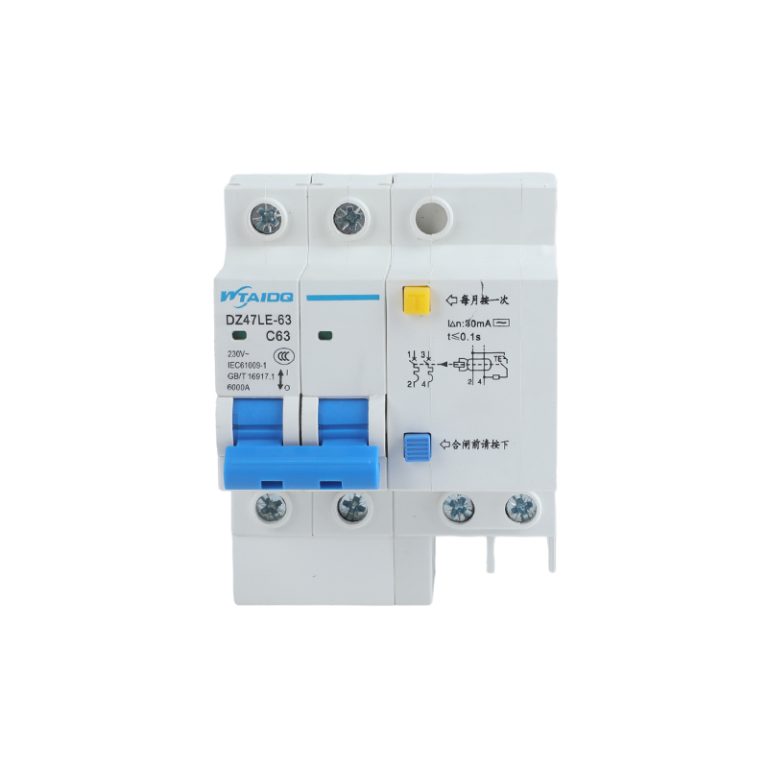
DZ47LE-63 2P 63A RCCB. Residual current protection, 2-pole, 63A rated.
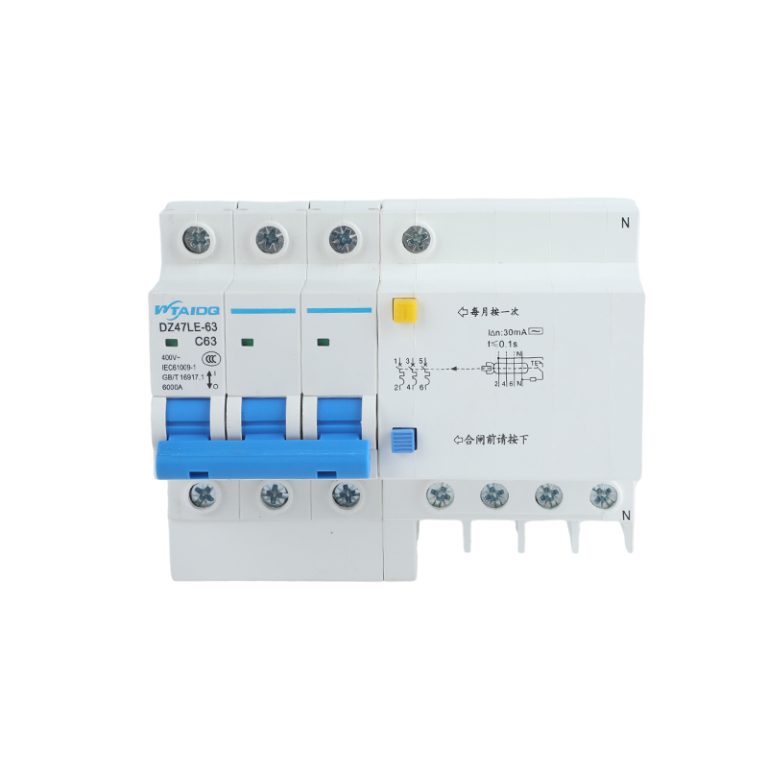
DZ47LE-63 3P 63A RCCB. Residual current protection, 3-pole, 63A rated.
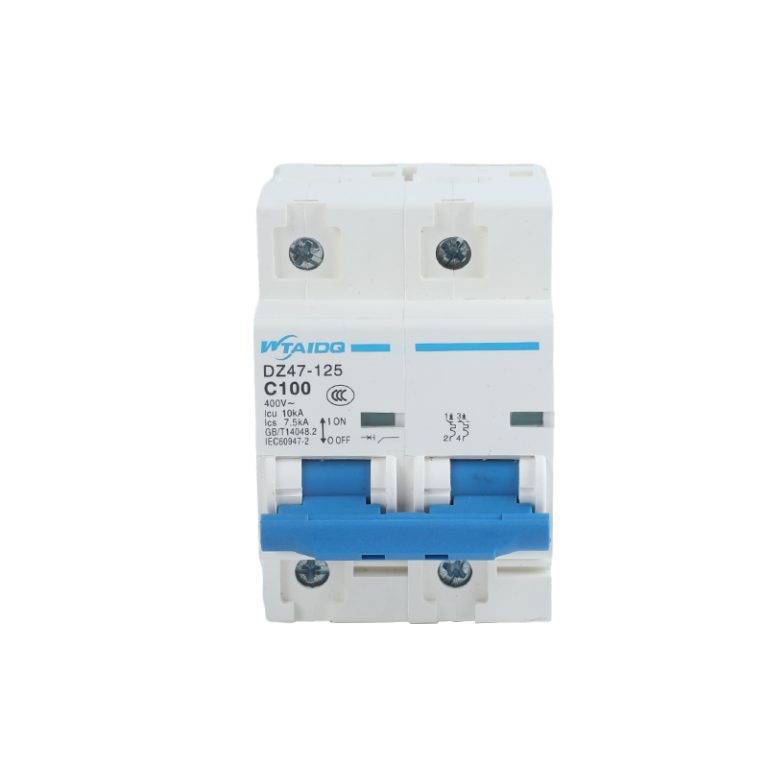
DZ47-125 2P 100A MCB. High breaking capacity, thermoplastic shell, 2-pole design.
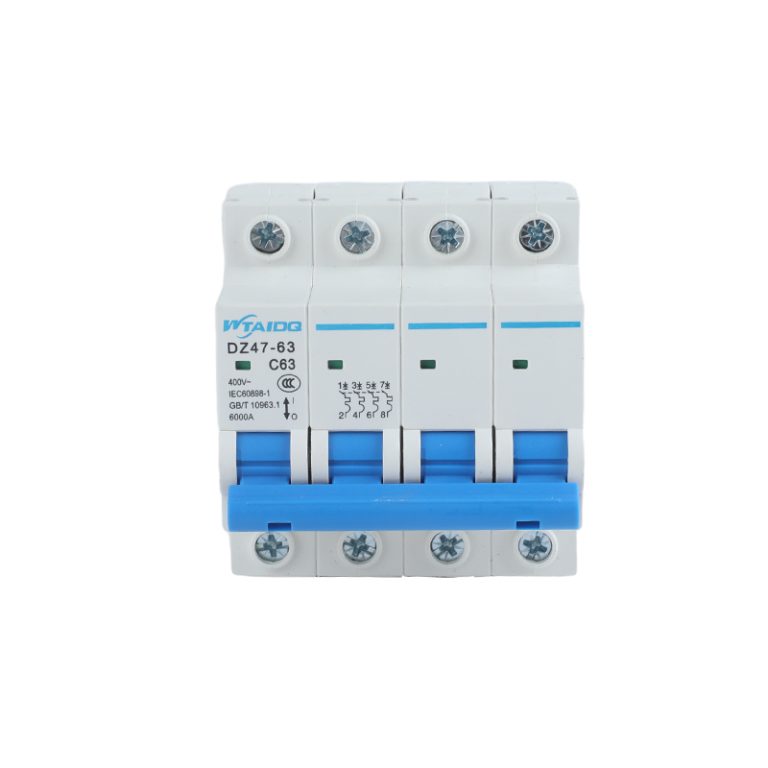
DZ47-63 4P 63A MCB. Compact 4-pole design, wide current choices, flame retardant casing.
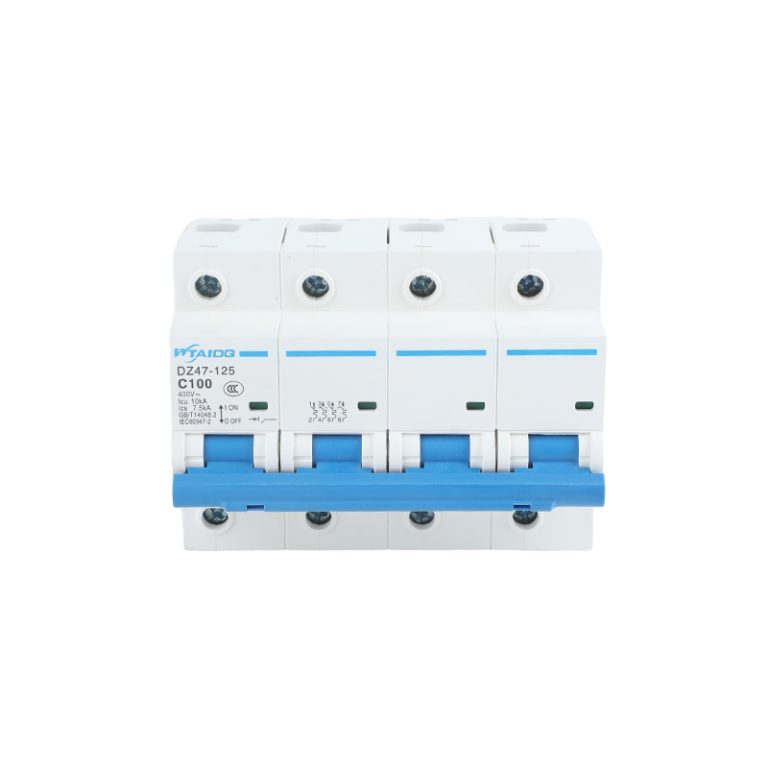
DZ47-125 4P 100A MCB. High breaking capacity, thermoplastic shell, 4-pole design.
Tell us the circuits, the supply voltage and the prospective fault current at the board. We reply within 24 hours with the breaker for each circuit, the curve and the breaking capacity that covers the fault level.