Blog
-

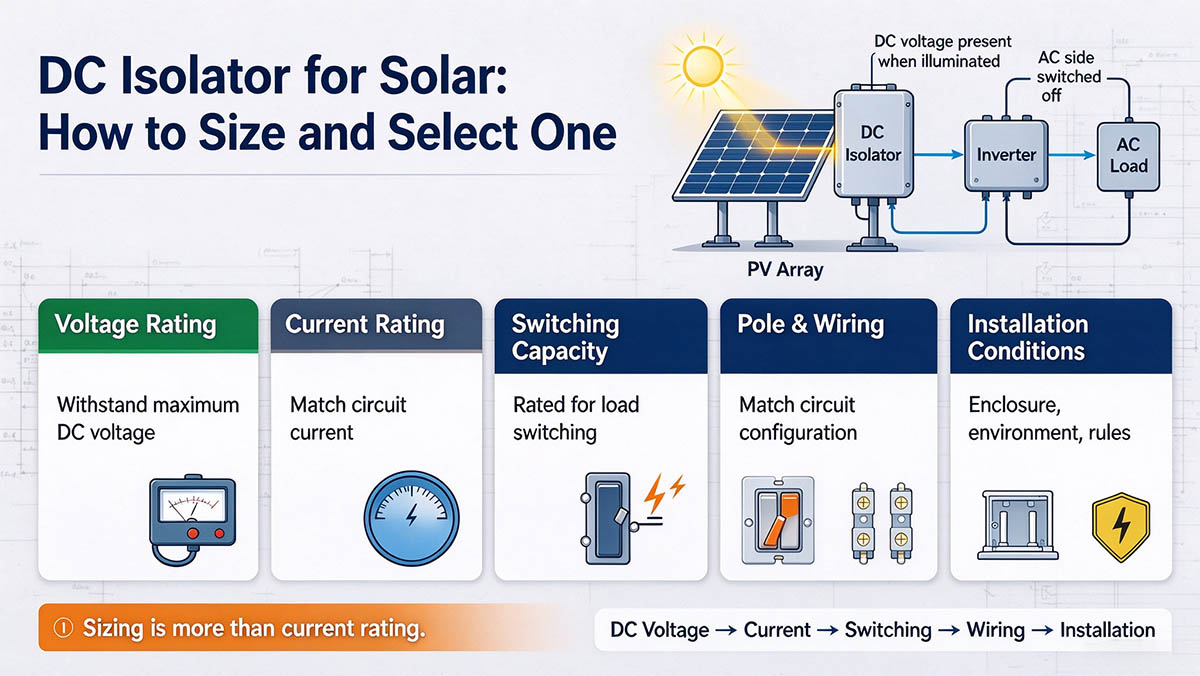
DC Isolator for Solar: How to Size and Select One
A solar PV system can continue producing DC electricity whenever its panels receive sunlight, even when the AC side is…
-
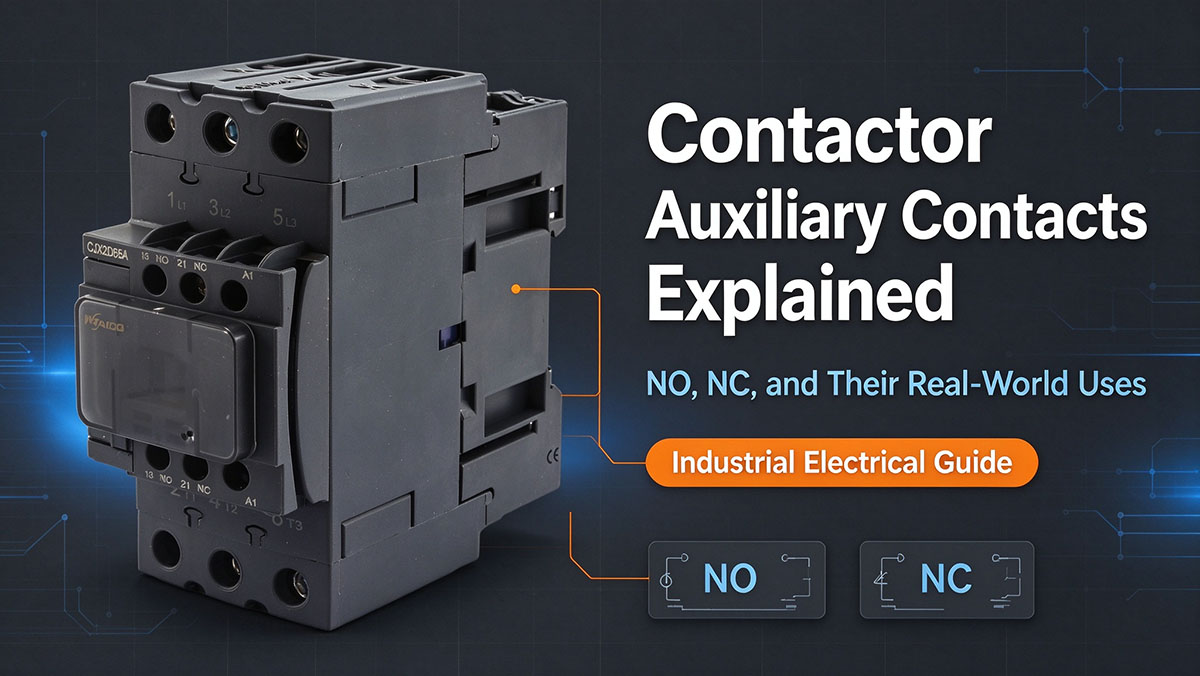
Auxiliary Contacts on a Contactor: NO, NC, 1NO+1NC and How to Specify Them
Auxiliary contacts may be small components, but they help contactors work smoothly with control systems, indicator lights, and protective circuits.…
-
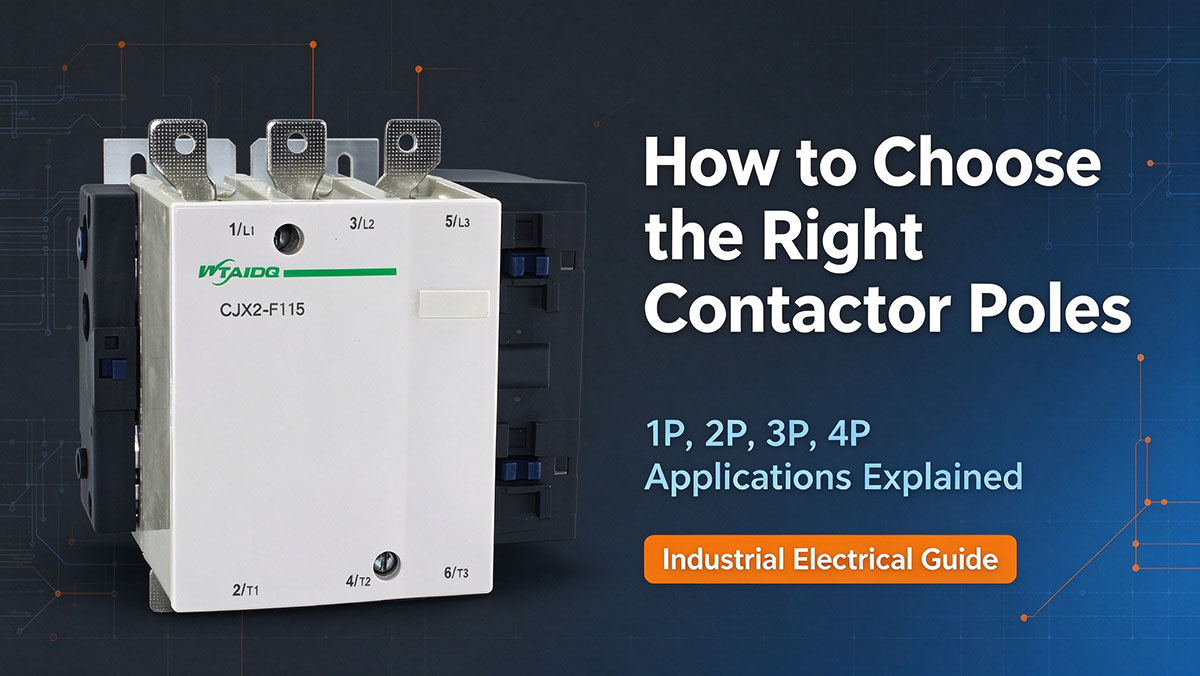
3-Pole vs 4-Pole Contactor: How to Choose the Right Pole Configuration
A contactor may look like a straightforward component, but choosing the wrong pole configuration can complicate wiring and affect how…
-
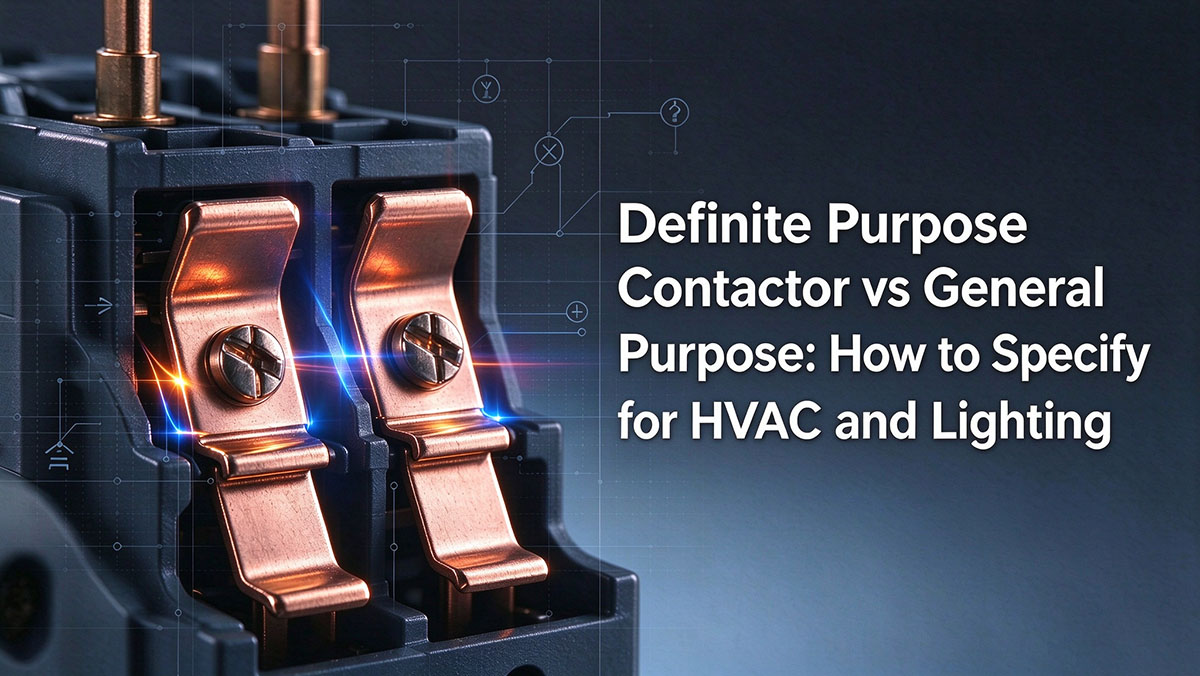
Definite Purpose Contactor vs General Purpose: How to Specify for HVAC and Lighting
Choosing between a definite purpose contactor and a general-purpose contactor starts with understanding the load, not simply comparing the labels.…
-
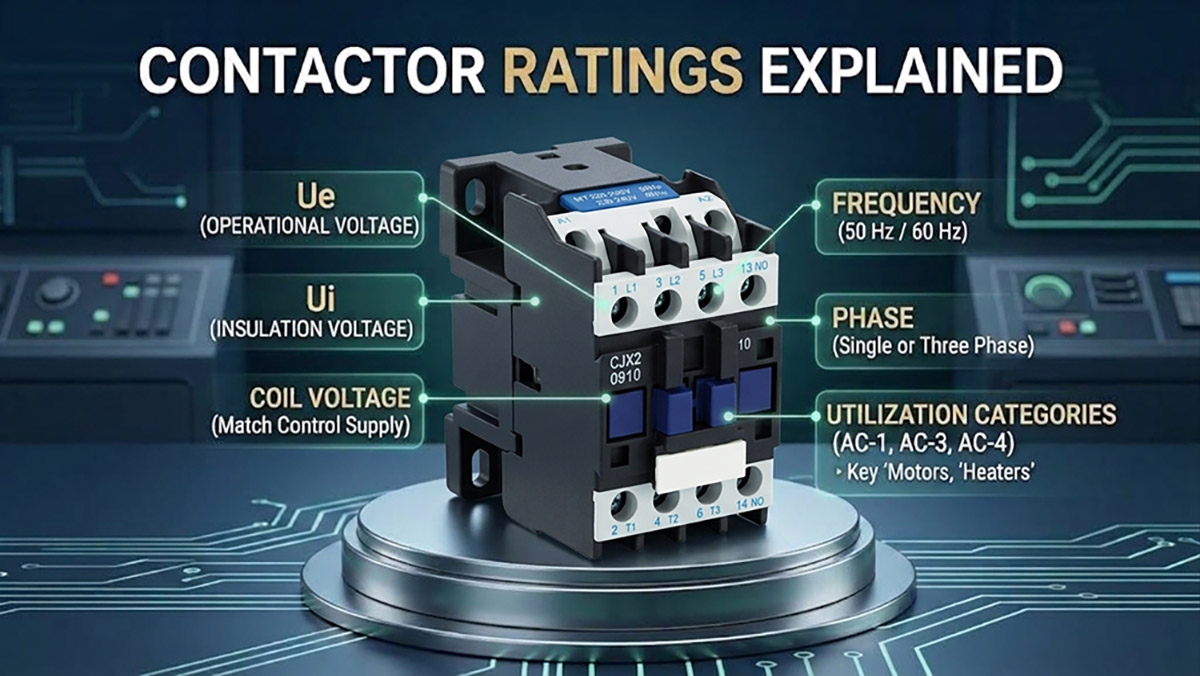
Contactor Ratings Explained: Voltage, Phase, Frequency and Control Voltage
Choosing a contactor involves more than matching an ampere value to a motor or electrical circuit. Voltage, phase configuration, coil…
-
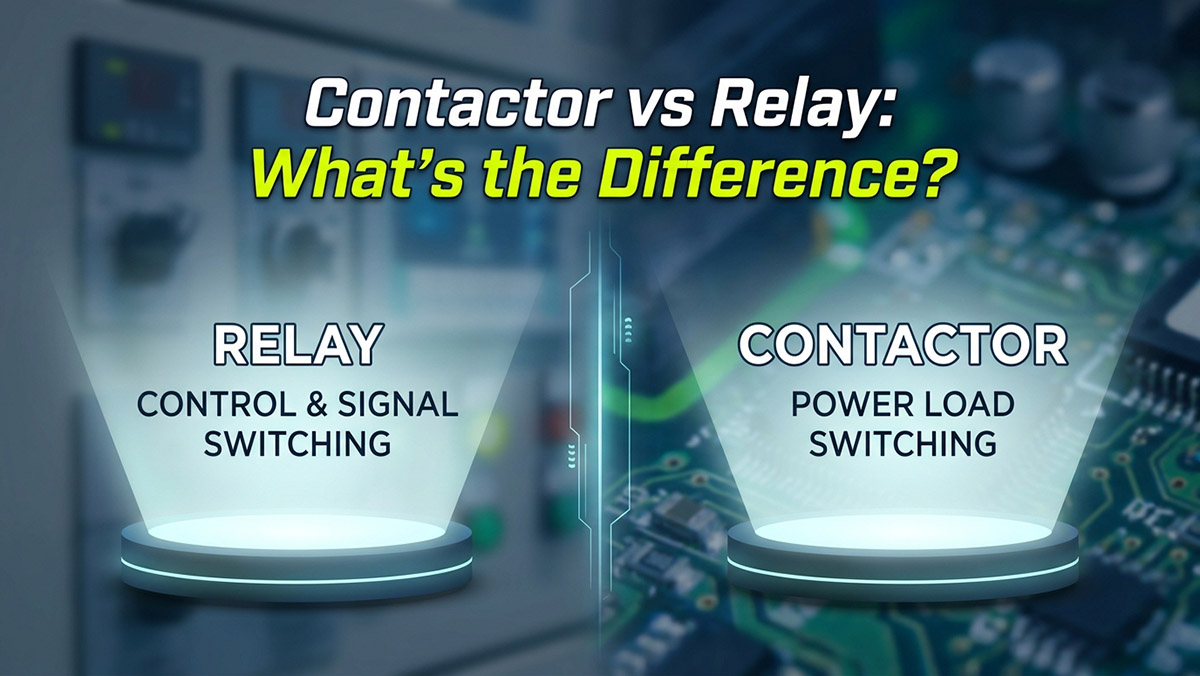
Contactor vs Relay: What’s the Difference and When to Use Each
Relays and contactors both use control signals to switch electrical circuits, but they are designed for different working conditions. Knowing…
-
Low-Consumption Contactor Coils: How to Cut Panel Heat and Standby Energy
A contactor coil is usually treated as a fixed overhead in a control panel. It is not fixed. An alternating…
-

Why Megawatt Charging for Heavy Trucks Requires a Totally New Approach to DC Contactors
Heavy commercial electric trucks absolutely cannot rely on passenger vehicle charging architectures. Returning hundreds of kilowatt hours to a forty-ton…
-
Contactor and Switching Requirements for 800 VDC AI Data Center Power
Data center power distribution followed one pattern for two decades. Medium voltage AC entered the building, 415V or 480V AC…