

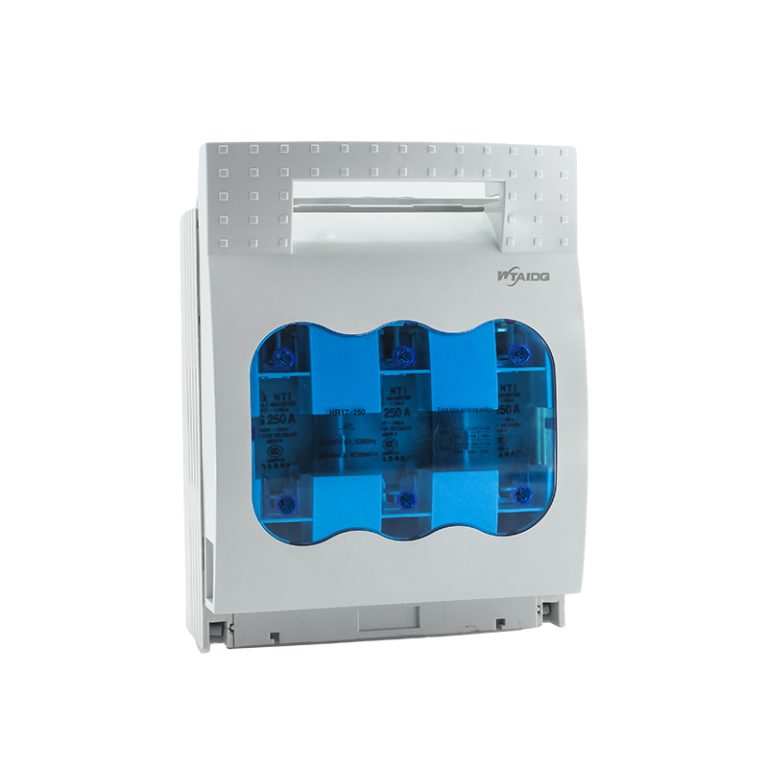
WTHB Fuse Switch Disconnector 3 Pole 160A to 630A
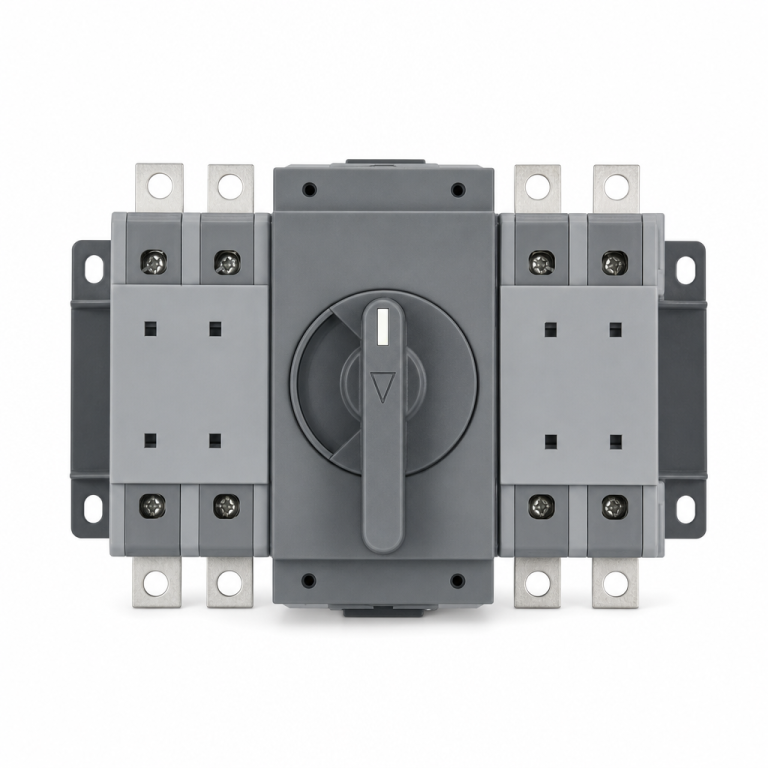
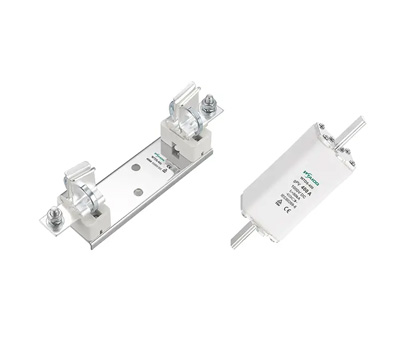
WTHB fuse switch disconnector in three poles, four frames 160A to 630A, AC400V and AC690V or DC1000V, making 10 times Ie, breaking 8 times, 50kA limit.
Request A Quote
WTAIELE supplies solar balance-of-system equipment: MC4 connectors, DC fuses, surge protection, boxes and transfer switches for PV installations.
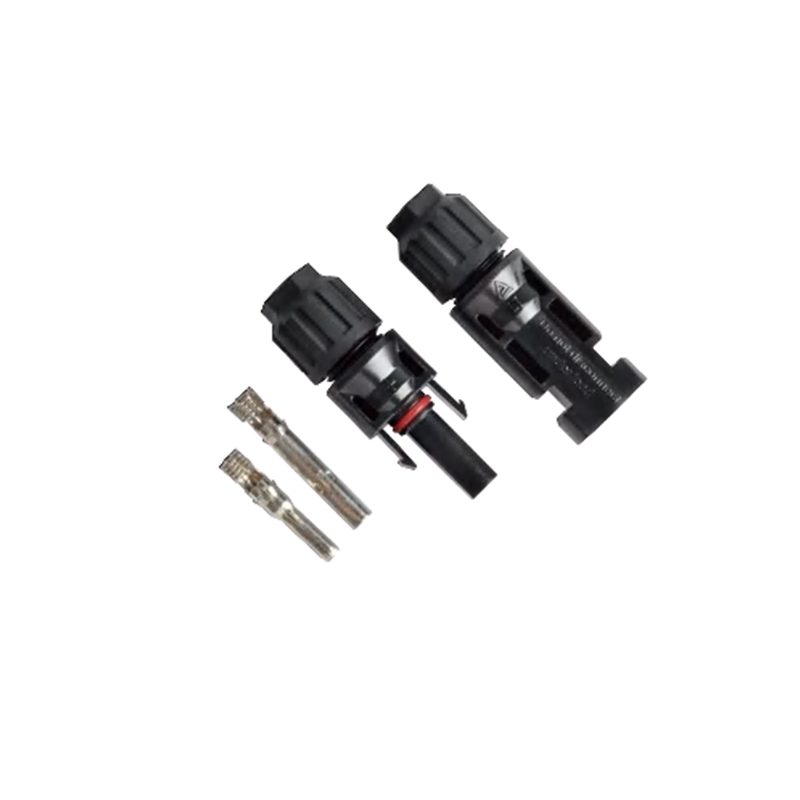
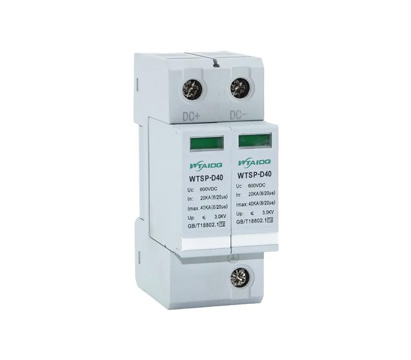
A solar installation is easier to specify side by side with the inverter. On the DC side, the array needs connectors at the module leads, fuses where strings are paralleled, a DC surge device at the entry point, and a DC breaker or isolator for service work. Those parts are here: MC4 and MC4H connectors, WTDS 10×38 mm fuses, WTSP-D40 surge protection and WTM7-63 breakers.
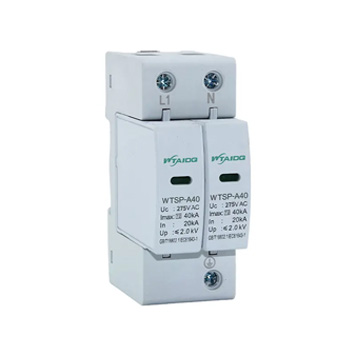
On the AC side, the inverter output needs its own breaker and, where the site is exposed, an AC surge device. WTSP-A40 covers that side.
The rest of the category is the infrastructure around the array rather than the PV circuit itself: WT-HT surface boxes, Q3R and Q5 transfer switches where a generator backs the building, and WTXU and WTKA relays that monitor the supply the inverter runs on.
WTHB fuse switch disconnector in three poles, four frames 160A to 630A, AC400V and AC690V or DC1000V, making 10 times Ie, breaking 8 times, 50kA limit.
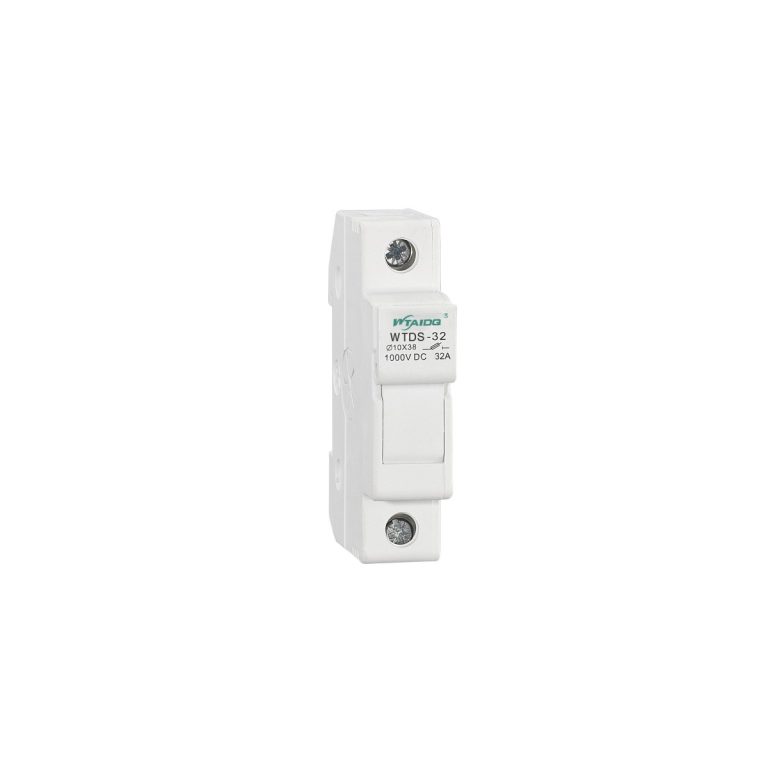
WHDS-32 DC fuse holder for one Ø10x38mm link at 1000V DC, 20kA breaking capacity, 2.5 to 10mm2 terminals, IP20 cover and DIN rail mounting.
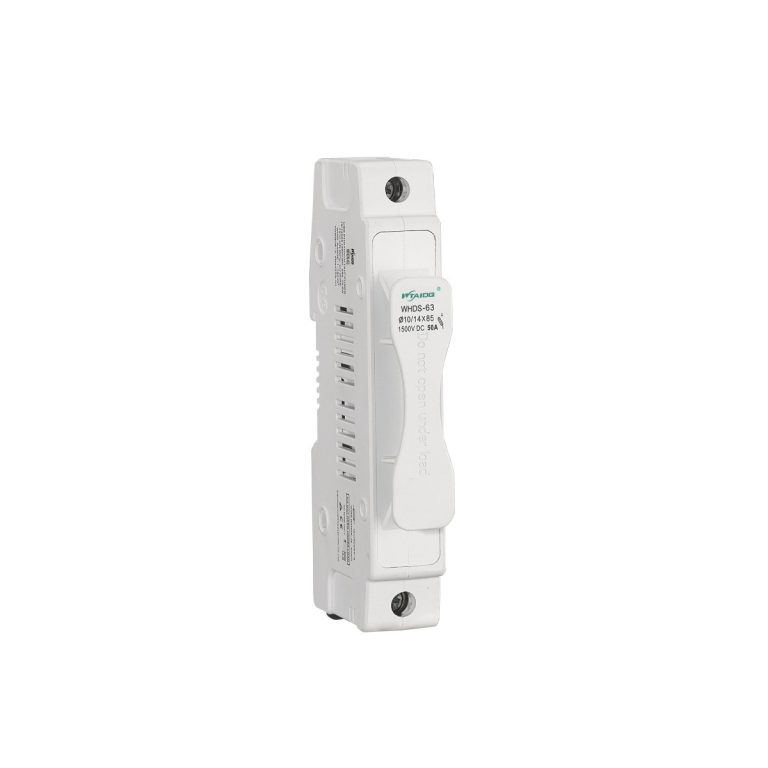
WHDS-63 DC fuse holder for Ø10/14×85 fuses at 1500V DC, marked 1500V DC 50A, links from 1A to 25A, 20kA breaking capacity and a 2.5 to 10mm2 terminal.
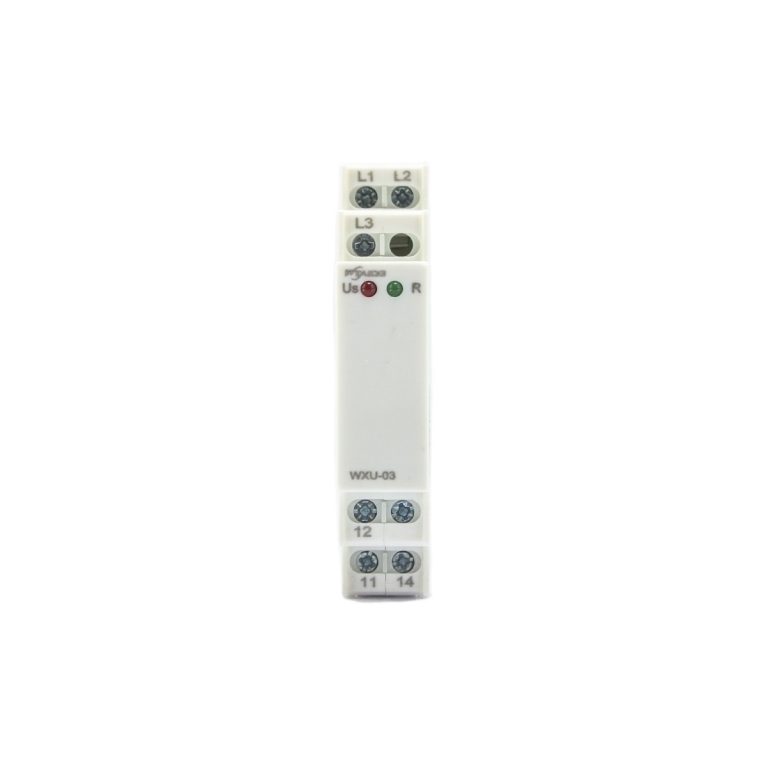
WXU-03 phase failure and phase sequence relay for three phase three wire supplies, fixed settings, one 10A changeover contact in an 18mm module.
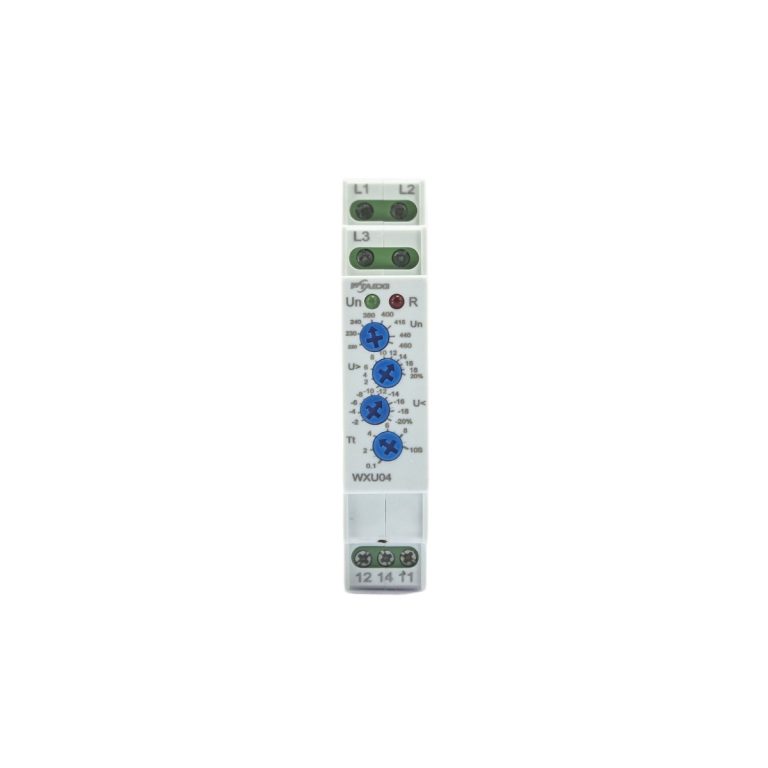
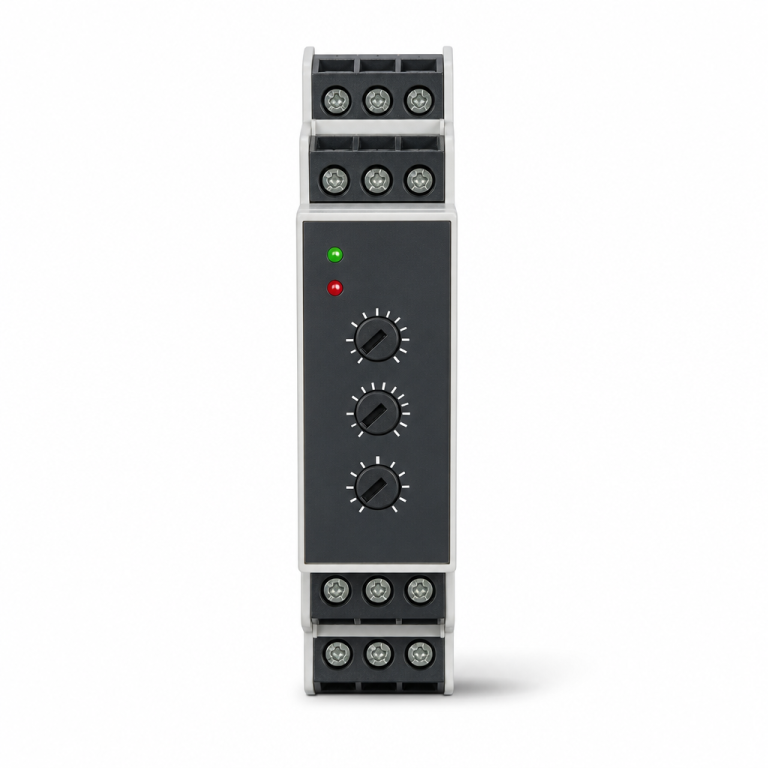
WXU-04 over and under voltage relay, three phase three wire, eight voltage steps 220V to 460V, threshold dials 2% to 20%, delay 0.1 to 10 seconds.
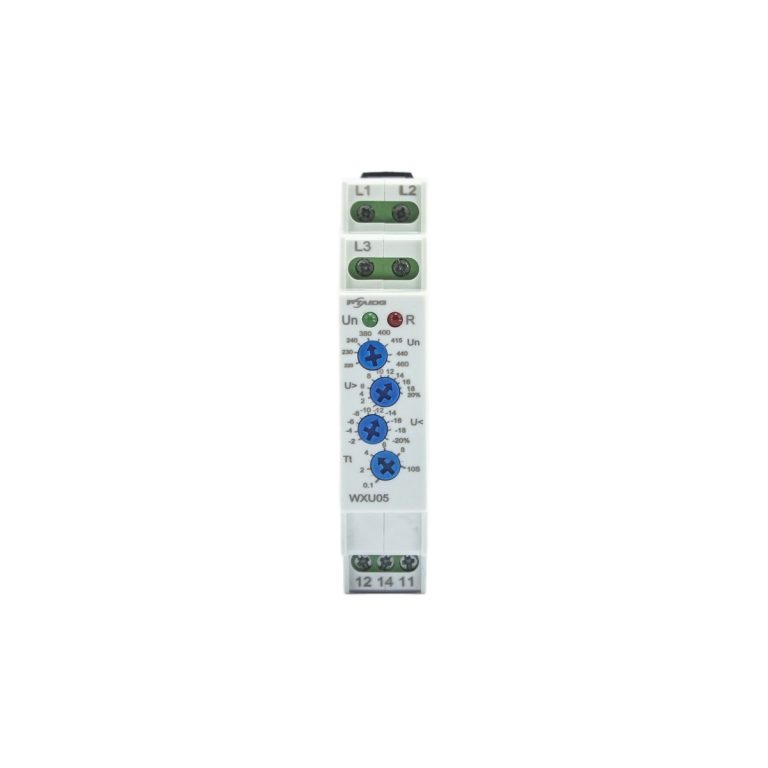
WXU-05 phase sequence relay for motor circuits, sequence and phase loss check, Un 220V to 460V in eight steps, 0.1 to 10 second delay.
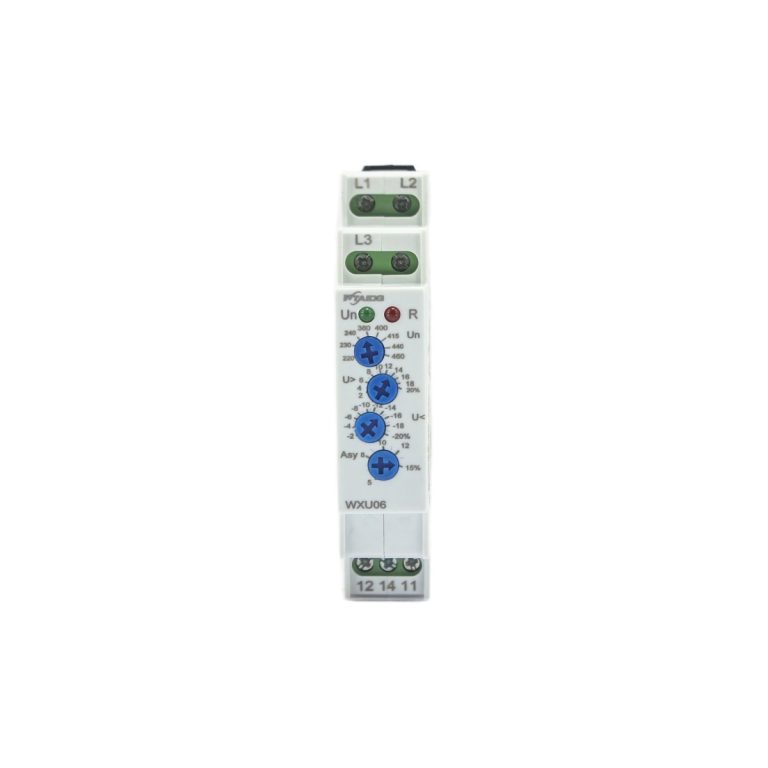
WXU-06 voltage monitoring relay with a 5% to 15% phase asymmetry threshold, Un 220V to 460V in eight steps, threshold dials 2% to 20%, 18mm module.
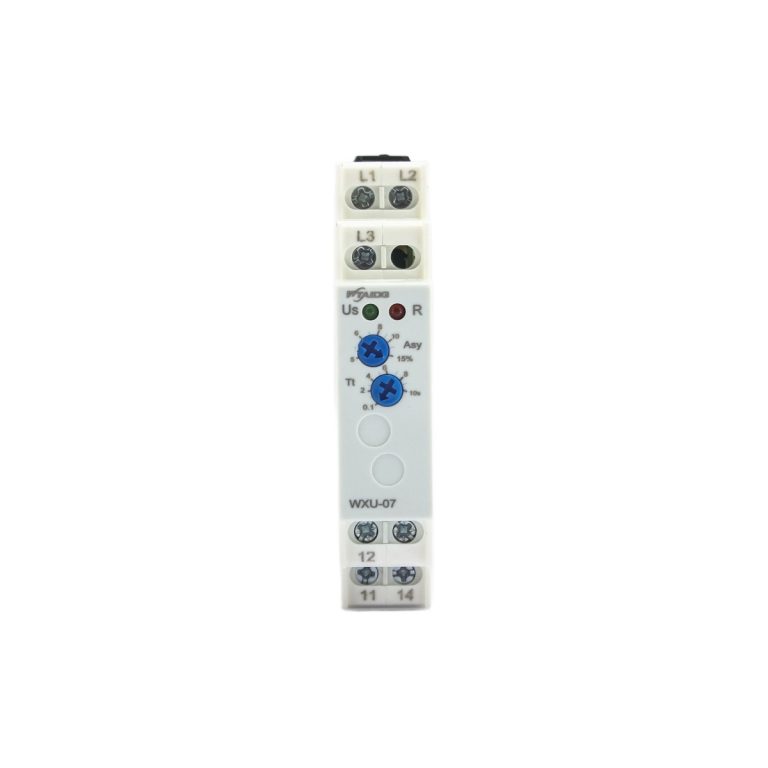
WXU-07 phase asymmetry relay with a 5% to 15% unbalance threshold and a 0.1 to 10 second delay, one 10A changeover contact in an 18mm DIN module.
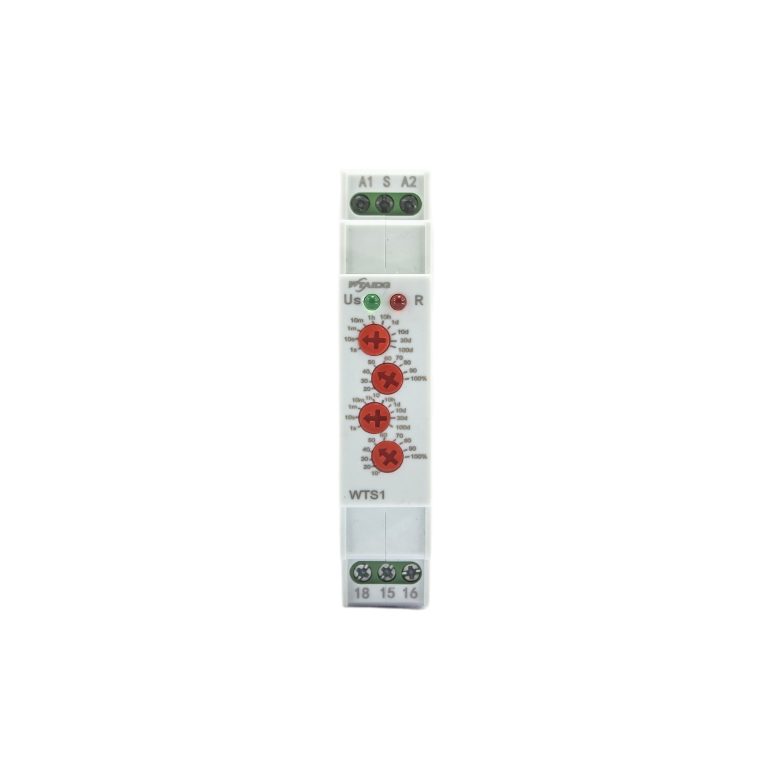
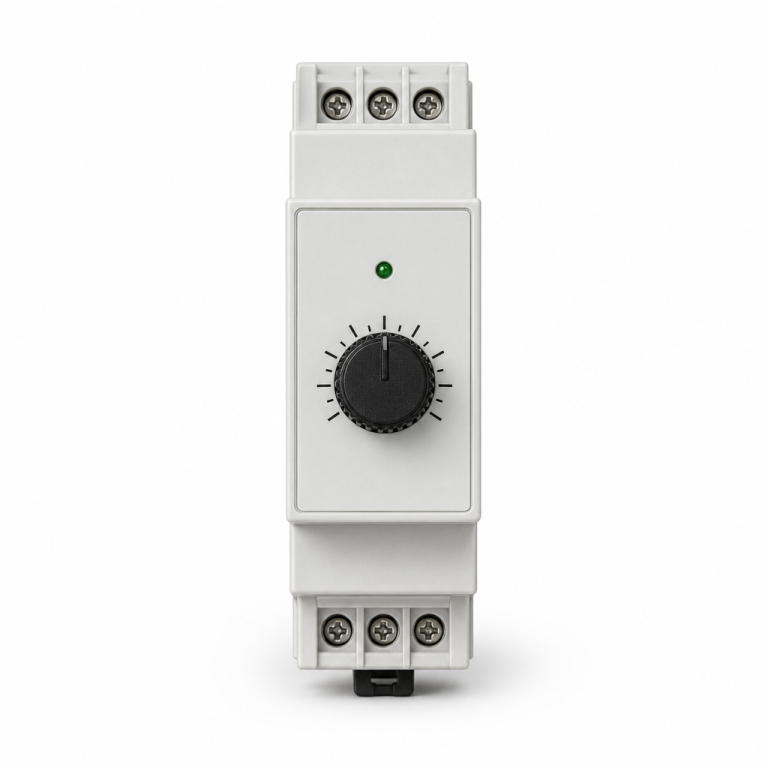
WTS1 Loop Delay Relay, 0.1 second to 10 day delay range, AC/DC 12-240V supply, knob setting and one 16A delay changeover contact in an 18mm module.
Tell us the array capacity, the number of strings, the string voltage and whether a generator backs the site. We reply within 24 hours with the parts list, the ratings matched to the design, and the packing plan.