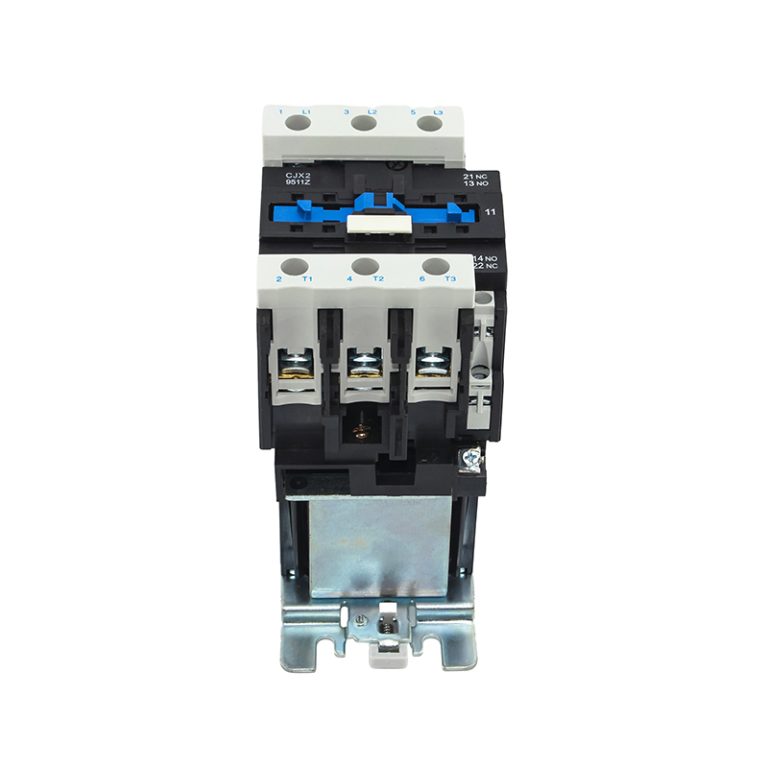
Rated current: DC Contactor 95A in AC-3 duty at 380/400V, 55A at 660/690V. Rated heat current: 125A, with 3-pole and 4-pole versions for DC switching layouts. Controllable power: 45kW at 380/400V, 55kW at 500V. DC coil control: Rated control voltage
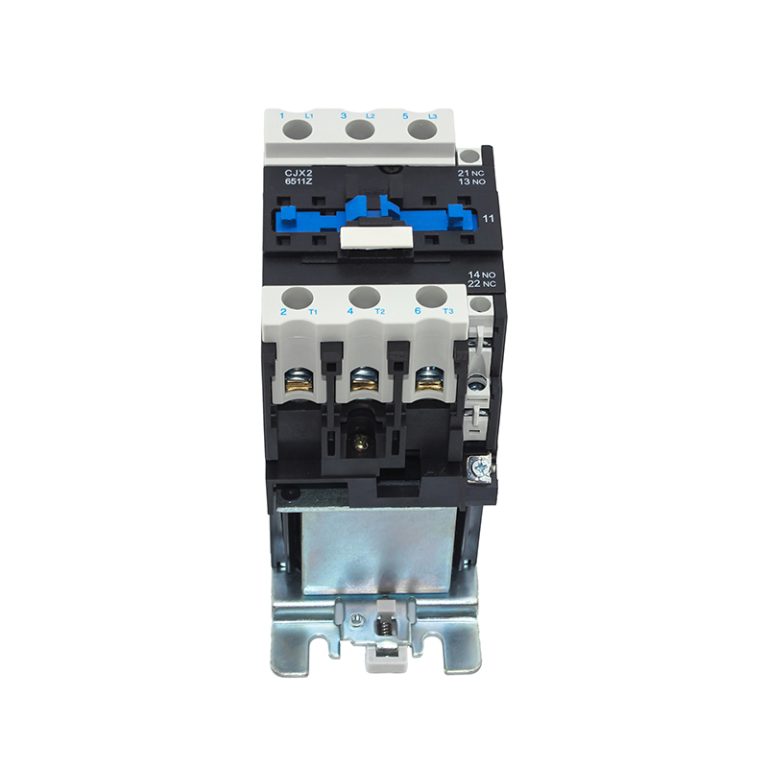
Rated current: DC Contactor 65A in AC-3 duty at 380/400V, 42A at 660/690V. Rated heat current: 80A, with 3-pole and 4-pole versions for DC switching layouts. Controllable power: 30kW at 380/400V, 37kW at 500V. DC coil control: Rated control voltage
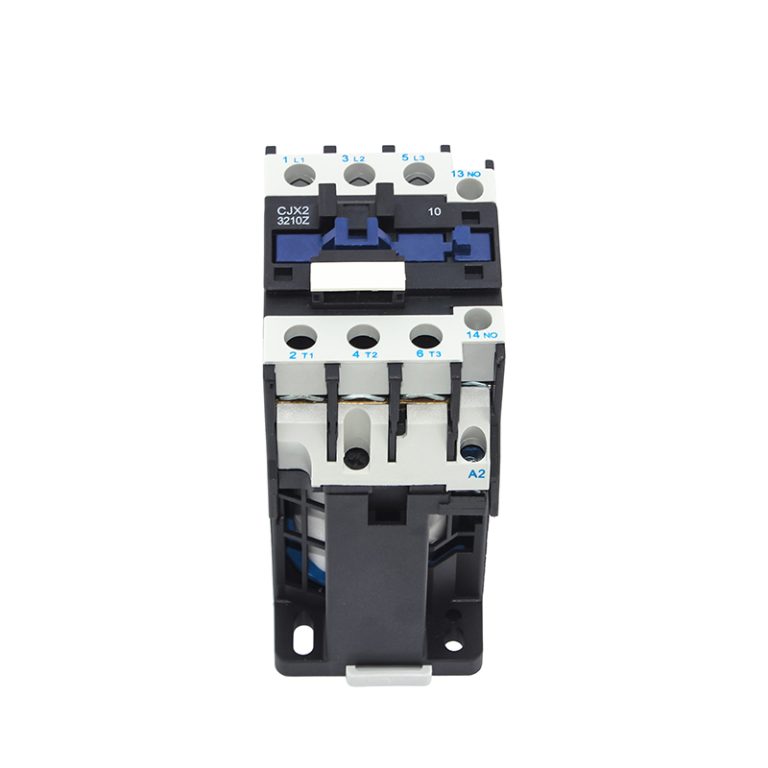
Rated current: DC Contactor 32A in AC-3 duty at 380/400V, 21A at 660/690V. Rated heat current: 50A, 3-pole version for DC switching layouts. Controllable power: 15kW at 380/400V, 18.5kW at 500V. DC coil control: Rated control voltage 24V to 660V
Rated current: DC Contactor 80A in AC-3 duty at 380/400V, 49A at 660/690V. Rated heat current: 125A, with 3-pole and 4-pole versions for DC switching layouts. Controllable power: 37kW at 380/400V, 55kW at 500V. DC coil control: Rated control voltage
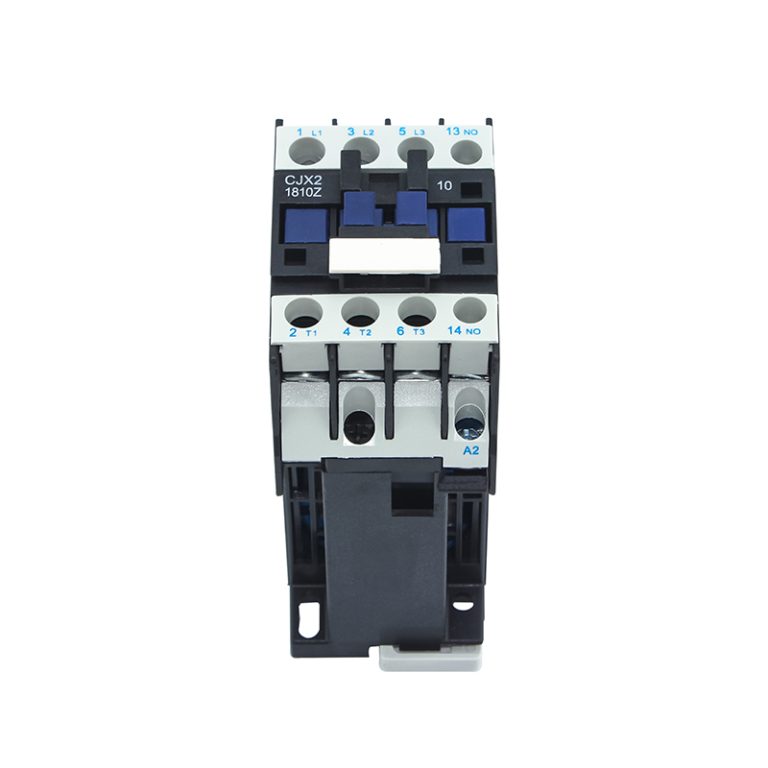
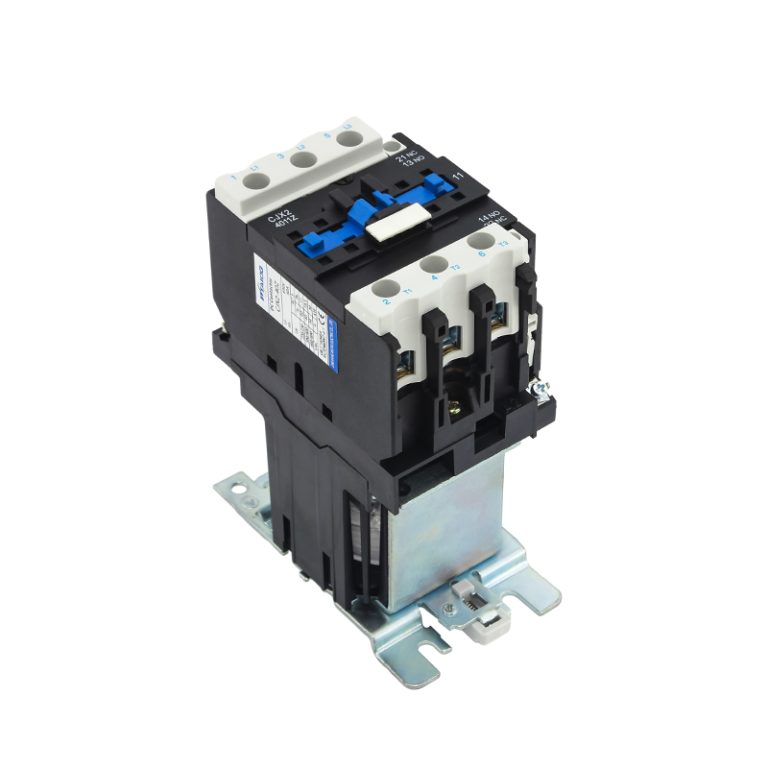
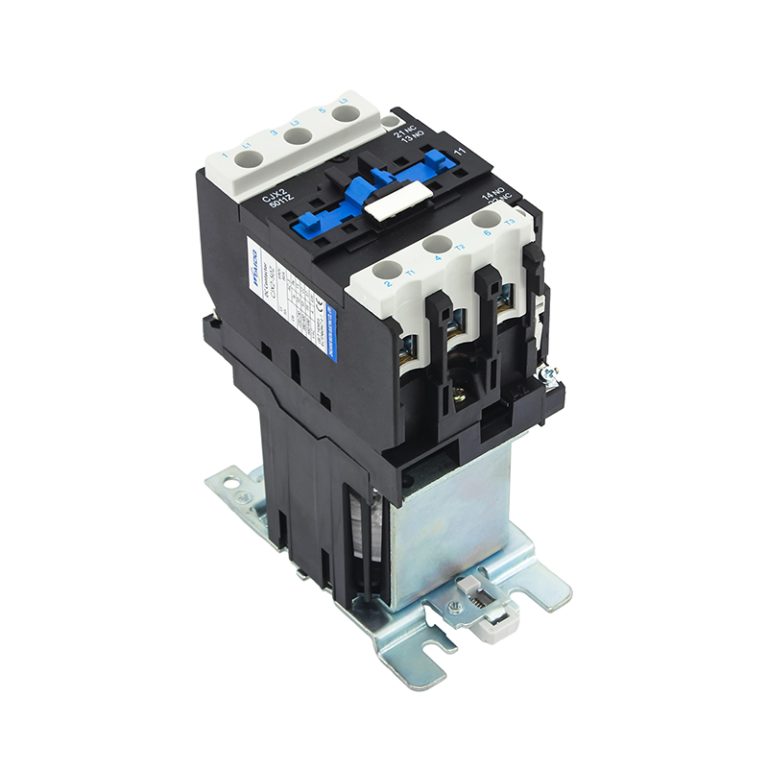
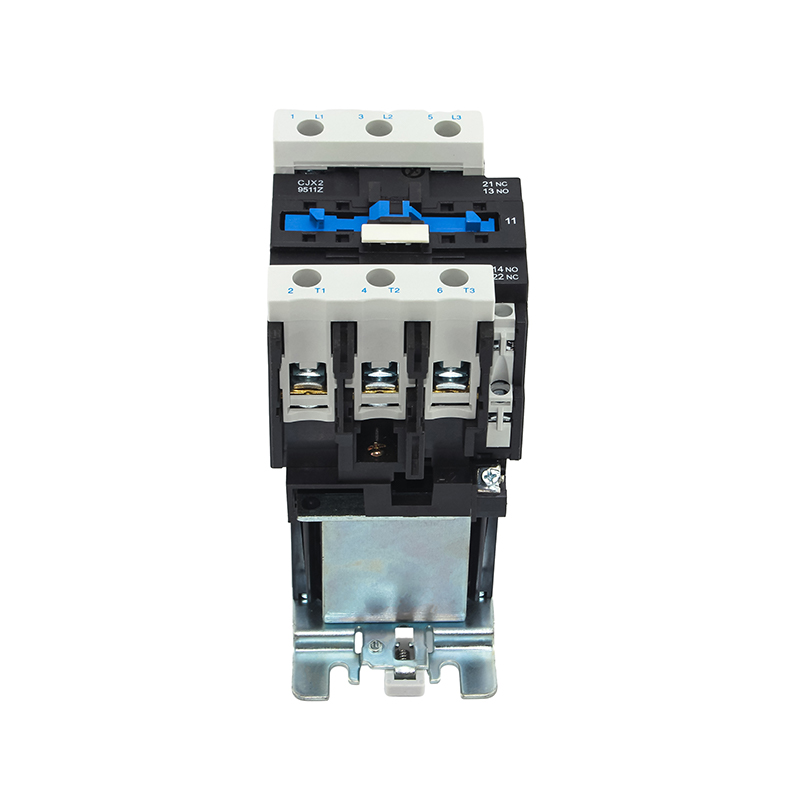
CJX2-5011Z DC Contactor 50A. Silver alloy contacts, pure copper coil, 50,000+ operations.
Tell Us the System Voltage and Current
We will confirm the DC frame, the coil code for 12 V, 24 V or 48 V control, and the auxiliary contacts, within 24 hours.
DC CONTACTORS
DC Contactors for 12 V, 24 V and 48 V Control Circuits
A DC contactor looks like an AC one from the outside, but the arc chamber is different. Direct current never crosses zero, so the arc keeps burning unless a magnetic field pushes it into a chute. The CJX2-Z range has those blowout magnets, which is why it can break DC loads that would weld an AC frame.
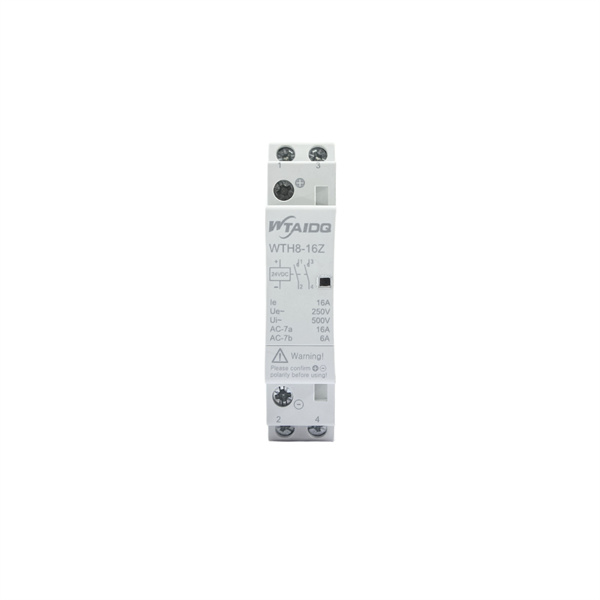
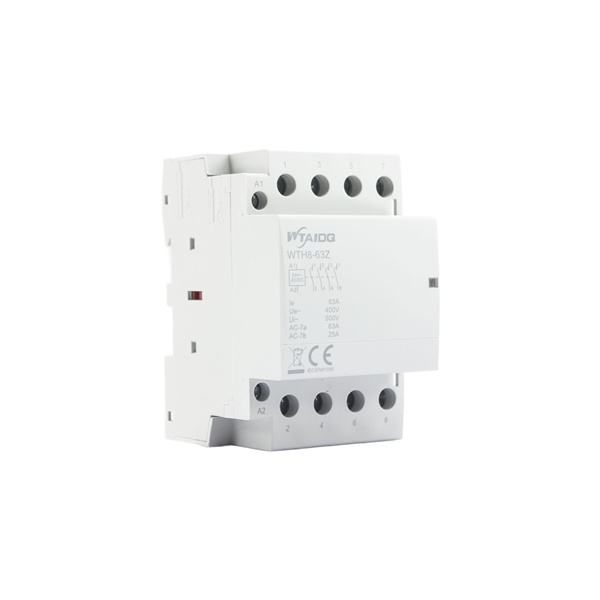
Seven frames cover 25 A to 95 A in three-pole format, and the WTH8-16Z and WTH8-63Z add 16 A and 63 A modular units for DIN rail. Coils are available for 12 V, 24 V and 48 V DC control supplies, the voltages used in battery, solar and vehicle systems.
Where the load is inductive, such as a motor or a solenoid, check the DC rating at your voltage rather than the AC rating. Units carry CE and CCC marking.
DC Contactor Selection
The DC rating depends on voltage as much as current. Poles in series raise the breaking voltage, so a 220 V DC load is not the same job as a 48 V one.
Model
Current
Coil
Typical circuit
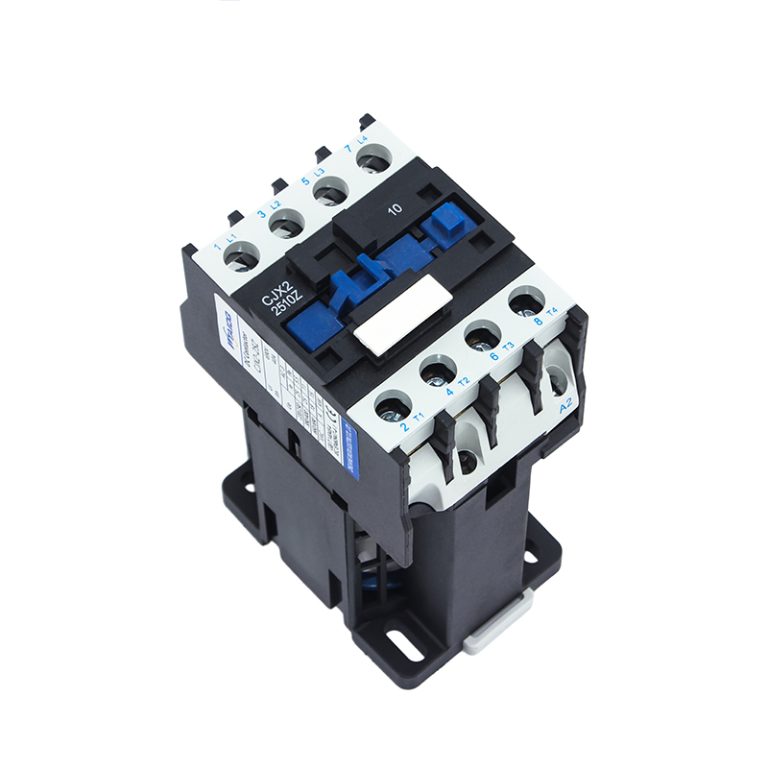
CJX2-2510Z
25 A
12/24/48 V DC
24 V battery banks
CJX2-4011Z
40 A
12/24/48 V DC
Solar pump inverters
CJX2-5011Z
50 A
12/24/48 V DC
48 V DC distribution
CJX2-6511Z
65 A
12/24/48 V DC
Storage racks
CJX2-8011Z
80 A
12/24/48 V DC
Large battery banks
CJX2-9511Z
95 A
12/24/48 V DC
Heavy DC feeders
WTH8-16Z / 63Z
16 / 63 A
AC/DC
DIN-rail boards
Before you order
Give the system voltage, not just the current. A 48 V and a 220 V DC circuit are different duties for the same frame.
State the control voltage. A 24 V DC coil will not pull in on a 12 V supply, and a 12 V coil on 24 V will overheat.
Check the load type. Motors and solenoids store energy; fit a flyback diode or an RC suppressor across the coil to protect the control circuit.
Send the system voltage, current and control supply, and we will confirm the frame and the coil code.
DC DUTY
Why a DC Order Is Not an AC Order
Voltage Decides the Frame
48 V and 220 V DC are different duties at the same current. The arc chamber, not the amp rating, sets the limit.
Coil Mismatch Is the Usual Failure
A 24 V coil will not pull in on 12 V, and a 12 V coil on 24 V overheats. The coil code is confirmed on the order.
The Load Can Bite Back
Motors and solenoids store energy. A flyback diode across the coil protects the switch or relay that drives it.
COMMON QUESTIONS
Frequently Asked Questions
A relay switches a small control load, usually a few amps. A contactor is built for a power circuit, with heavier contacts and an arc chamber, and is rated for tens or hundreds of amps. A DC contactor used as a relay is normally switching a relay coil or a small load, not the main battery current.
Only at low voltage and low current, and never as a substitute above about 30 V DC. An AC frame has no blowout magnets, so the DC arc does not go out and the contacts erode or weld. Use a DC-rated frame and check the rating at your system voltage.
A1 and A2 take the coil supply, with the polarity as marked for DC coils. The main contacts sit in the load circuit, and a flyback diode across the coil protects the switch or relay that drives it. Confirm the coil voltage on the front label before powering up.
Usually a coil voltage mismatch or a control supply above the coil rating, sometimes a missing freewheeling diode that lets the collapse spike into the winding. Check the coil label against the supply, and fit a diode across the coil when the load is inductive.
No. The current rating may be the same but the breaking duty is not: 220 V DC needs more arc control than 48 V DC. Tell us the system voltage so the frame and the pole arrangement are matched to it.
Yes, the CJX2-Z frames are available with 12 V, 24 V and 48 V DC coils, and WTH8-Z modular units accept AC or DC control. Confirm the coil code on the order, because the same frame is built with several coil options.
CONTACT US
Start Your Electrical Project Today
Send your application, voltage, certifications and quantity to this electrical protection manufacturer. We reply with a quotation within 24 hours.
Engineering review by an electrical protection manufacturer before quoting