When it comes to protecting low voltage circuits, the decision to use a low voltage circuit breaker or a fuse can be crucial. Both options have their own benefits and considerations, and making the right choice can ensure the safety and efficiency of your electrical system. In this guide, we’ll explore the key factors to consider when making this decision.
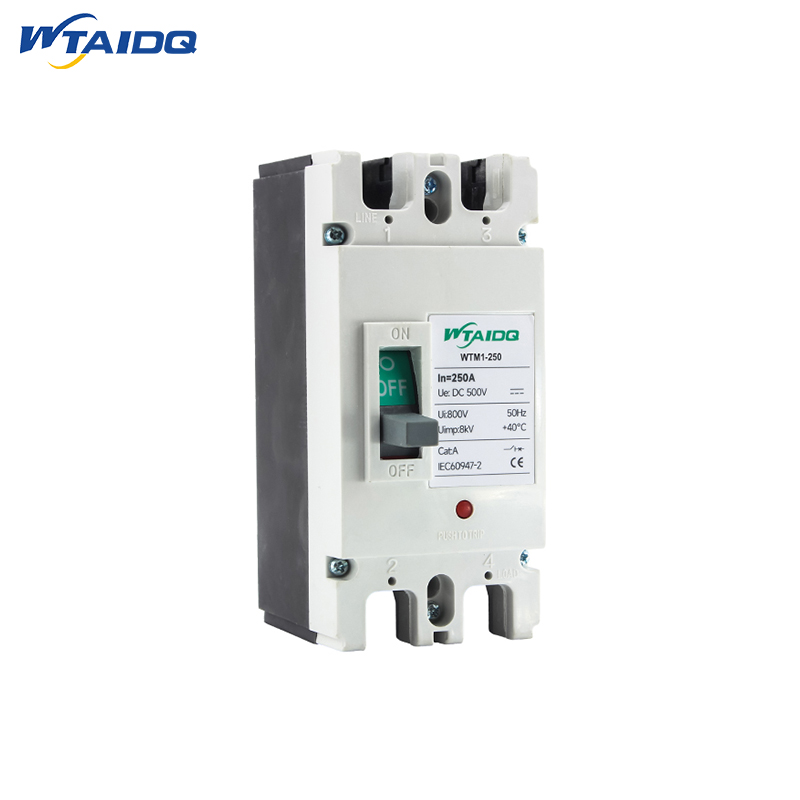
A low voltage circuit breaker is a device designed to automatically interrupt the flow of electricity when a fault is detected. They are reusable, meaning they can be reset after tripping, and come in a variety of types, such as thermomagnetic and electronic. Fuses, on the other hand, are disposable protective devices that contain metal strips that melt when the current is too high, breaking the circuit.
One of the main considerations when choosing between low voltage circuit breakers and fuses is the level of protection required. In applications where frequent overcurrent events are likely to occur, circuit breakers are often preferred because they can be easily reset without the need for replacement. Fuses, on the other hand, provide reliable protection but need to be replaced after operation.
Another important factor to consider is cost and maintenance. While the initial cost of low voltage circuit breakers may be higher, they prove to be more cost-effective in the long run due to their reusability. Fuses, on the other hand, are generally cheaper but require regular replacement, which increases maintenance costs.
Additionally, the specific requirements of the electrical system, such as fault current levels and load types, should be considered when making this decision. Consulting with a qualified electrical professional can help you determine the best option for your specific application.
In summary, the choice between low-voltage circuit breakers and fuses depends on a variety of factors, including the level of protection required, cost considerations and specific system requirements. By carefully evaluating these factors, you can make informed decisions to ensure the safety and reliability of your low-voltage circuits.