AC contactors from 6 A to 410 A: CJX2 standard 9-95 A, CJX2-K miniature 6-16 A, CJX2N economic, CJX2D new type, CJX2-D and CJX2-F high-ampere frames to 410 A, WTH8 modular and definite-purpose ranges. 3- and 4-pole, AC and DC coils, CE and CCC marked.
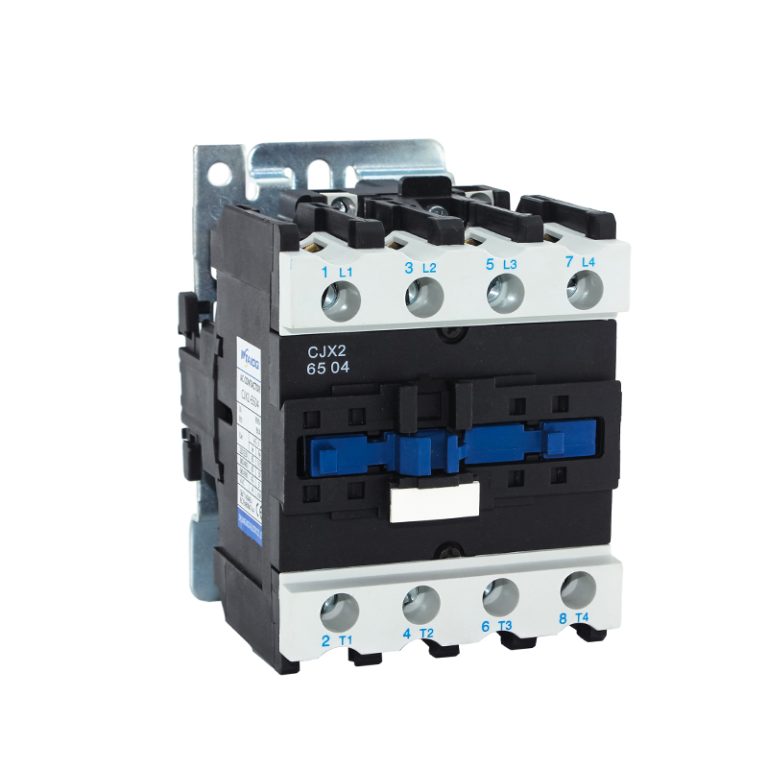
Rated current: AC Contactor 65A rated 65A at AC-3 380/400V, 42A at 660/690V. Pole configuration: 4P, in 4NO (CJX2-650404) or 2NO+2NC (CJX2-650408) contact forms. Motor rating: 30kW at 380/400V AC-3, 37kW at 660/690V AC-3. Coil options: 24V, 36V, 110V, 220V
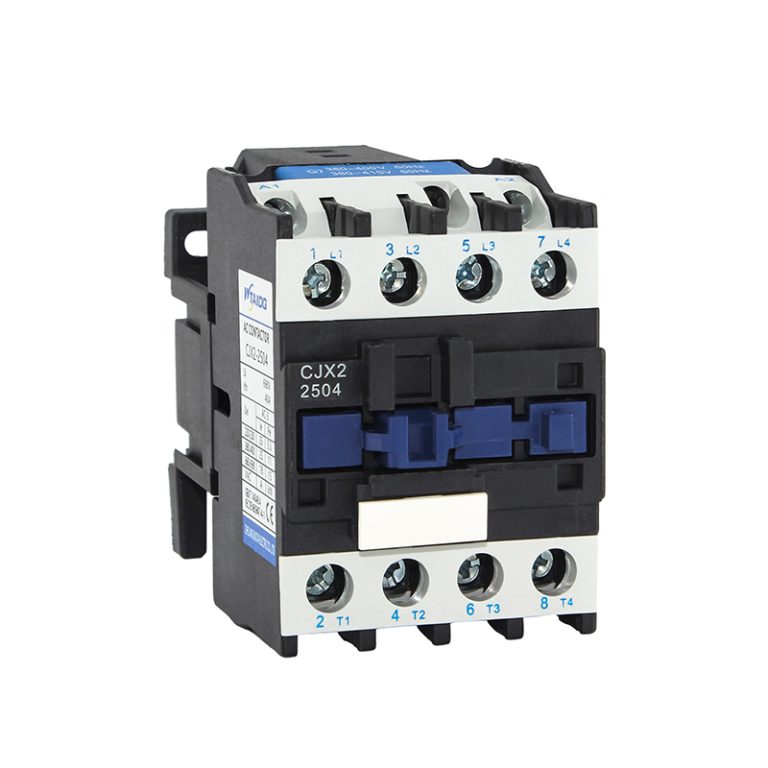
Rated current: AC Contactor 25A rated 25A at AC-3 380/400V, 18A at 660/690V. Pole configuration: 4P, in 4NO (CJX2-250404) or 2NO+2NC (CJX2-250408) contact forms. Motor rating: 11kW at 380/400V AC-3, 15kW at 660/690V AC-3. Coil options: 24V, 36V, 110V, 220V
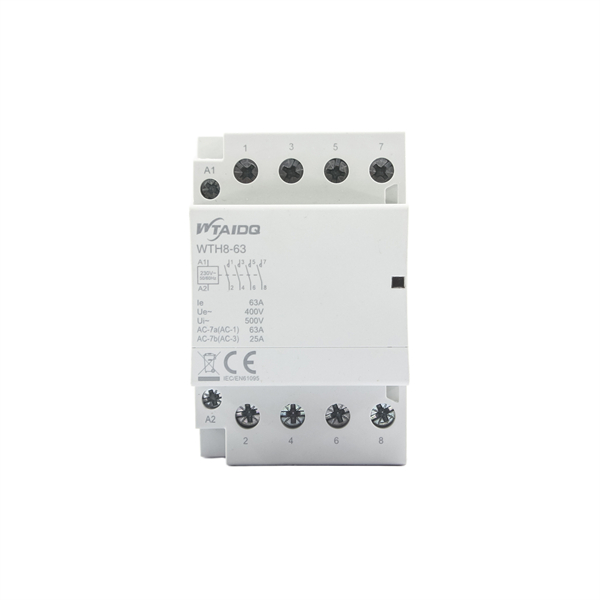
WTH8-63 household modular contactor 63A, 63 thermal current, DIN rail mounting, coil operated, 36mm wide 2 pole body.
Send the Motor Data, Get the Model Back
Send the motor kW, supply voltage and coil voltage. You get the frame, coil code, overload relay and auxiliary block within 24 hours, with the terminal layout for your panel.
AC CONTACTORS
AC Contactors from 6 A to 410 A for Motor and Power Switching
An AC contactor is a coil-operated switch: energise A1 and A2, the electromagnet pulls the armature in, and the main contacts close. The coil runs on AC, which is why the shading ring on the pole face keeps the magnet from chattering at every zero crossing.
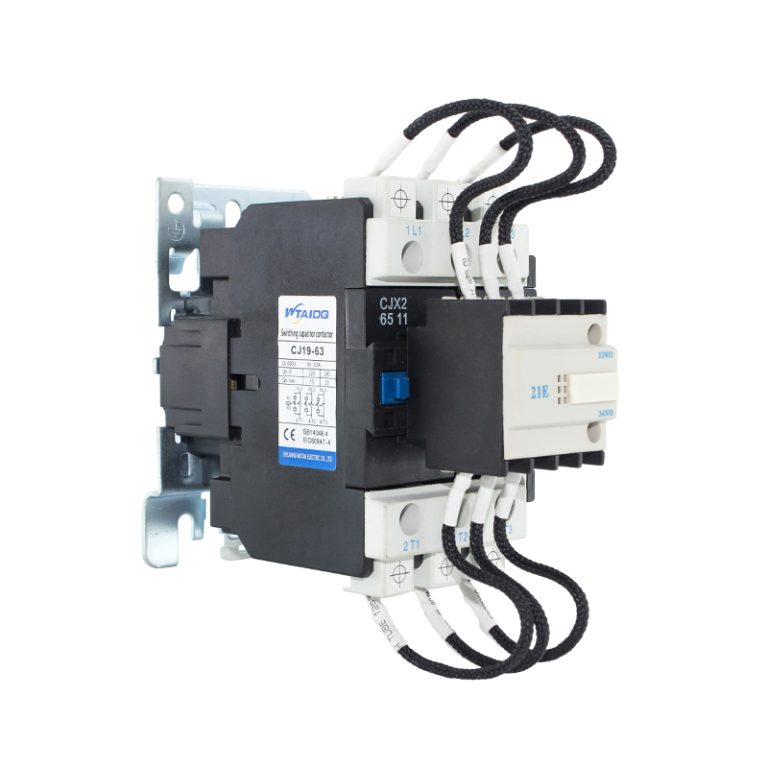
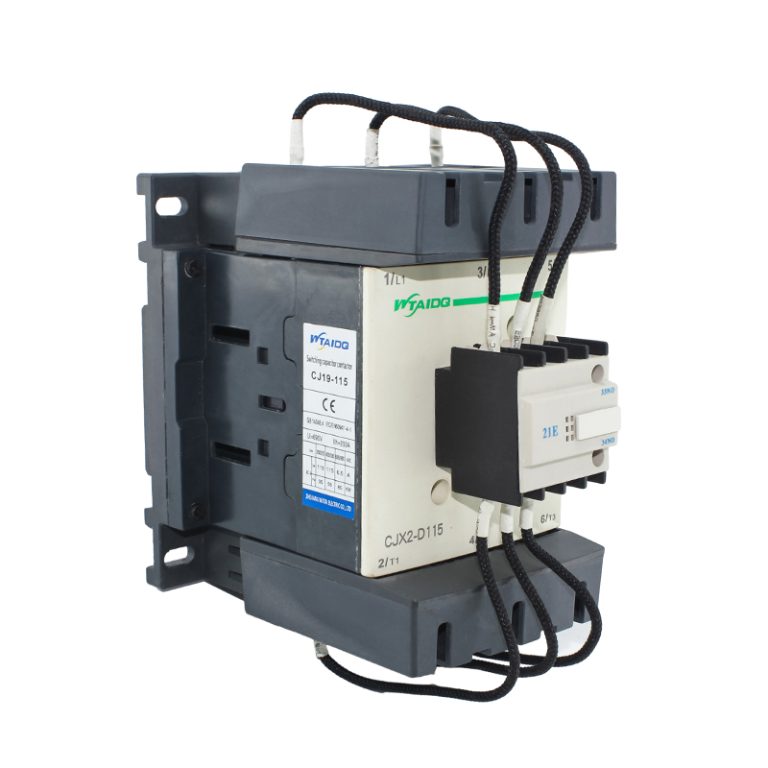
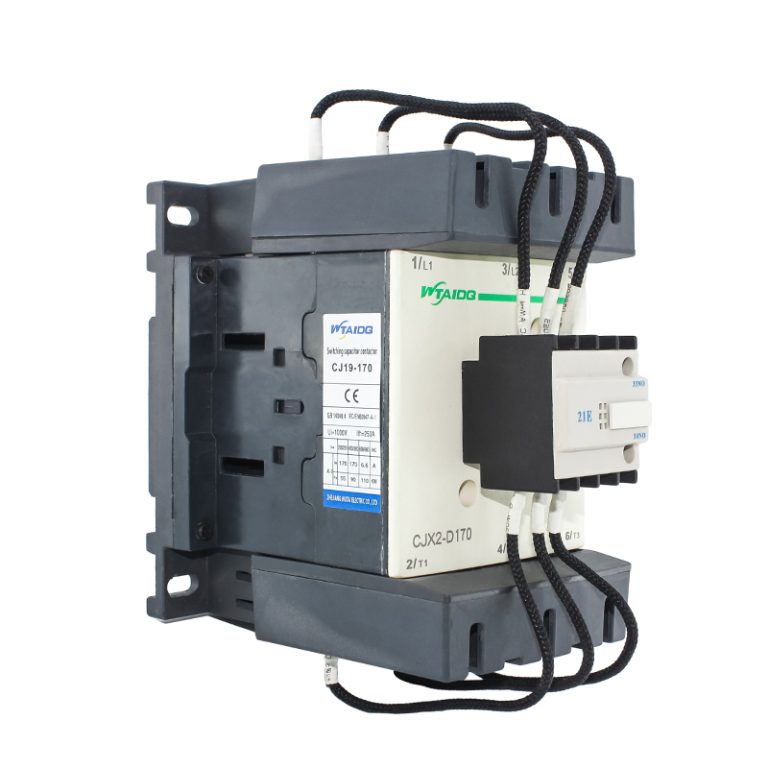
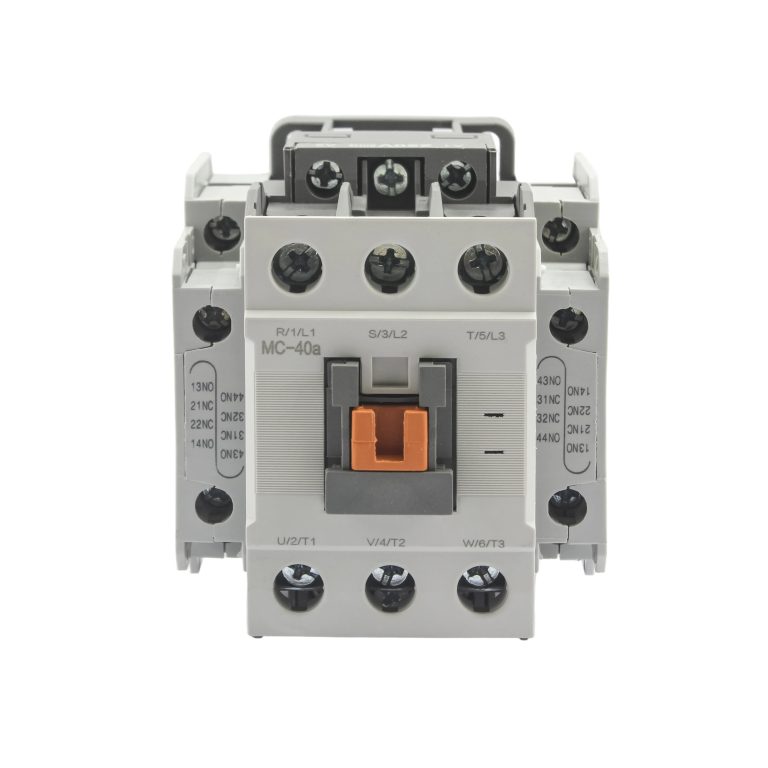
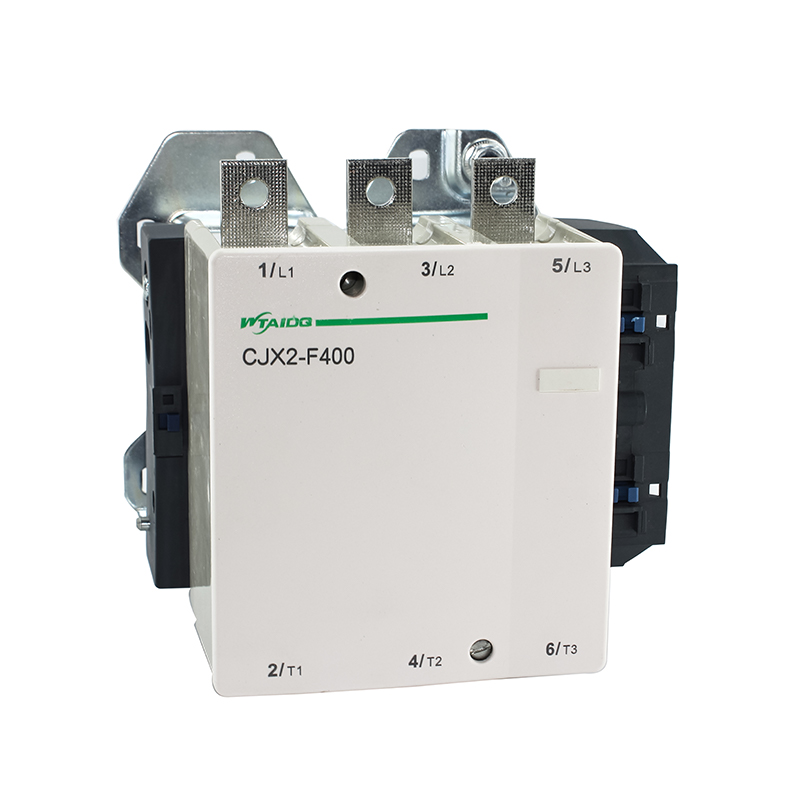
WTAIELE stocks eight families from 6 A to 410 A. CJX2-K covers 6 A to 16 A for tight panels, CJX2 and CJX2N cover 12 A to 95 A, CJX2D follows the LC1D footprint, and CJX2-D and CJX2-F reach 410 A. CJ19 switches capacitor banks and WTH8 fits DIN-rail boards.
Sizing starts with the motor current at AC-3, not the nameplate kW: a 5.5 kW motor at 380 V draws about 11.5 A, so a 12 A frame is the starting point and an 18 A frame is the safer choice in a hot panel. Units carry CE and CCC marking.
Choosing the Right AC Contactor
Match the frame to the motor, then match the coil to the control circuit. The two numbers that decide the order are the AC-3 current and the coil voltage.
Motor at 380 V
Approx. current
CJX2 frame
Note
2.2 kW
about 5 A
CJX2-K 12 A
Small panel, DIN rail
4 kW
about 8.5 A
CJX2-1210
1NO auxiliary
5.5 kW
about 11.5 A
CJX2-1810 or -2510
Allow for panel heat
11 kW
about 22 A
CJX2-2510
Add overload relay
22 kW
about 42 A
CJX2-5011
1NO+1NC fitted
45 kW
about 85 A
CJX2-9511
Top of the CJX2 range
90 kW
about 170 A
CJX2-D205
High-ampere frame
Wiring and coil
A1 and A2 are the coil terminals. The coil voltage is marked on the front; a 220 V coil on a 380 V control circuit will burn out in minutes.
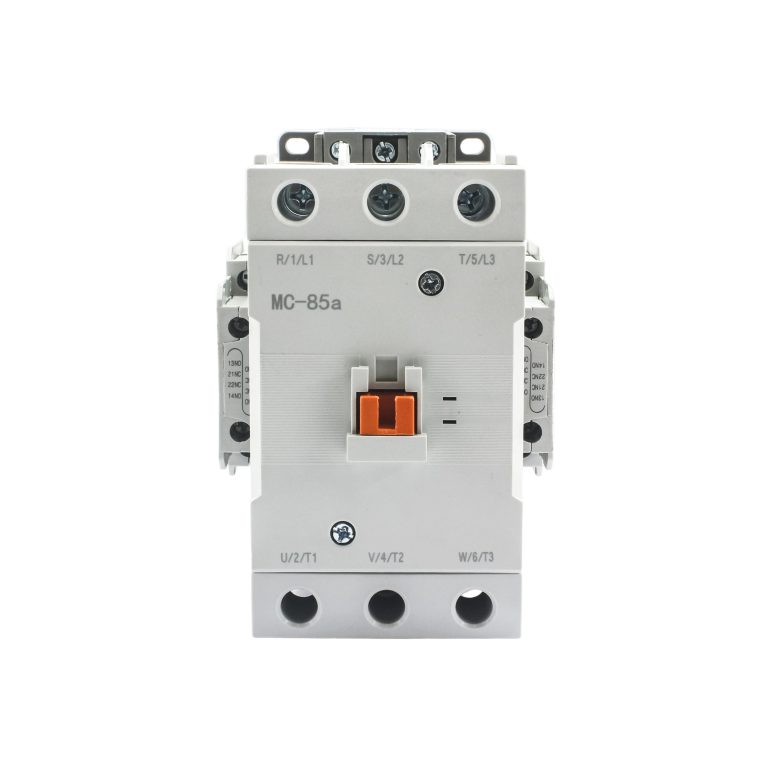
Main contacts run L1/L2/L3 to T1/T2/T3. Auxiliary 13/14 is normally open and 21/22 is normally closed.
The Z suffix means a DC coil. Those frames are ordered for battery and solar control circuits, not for AC panels.
Send the motor kW, the supply voltage and the coil voltage. We return the frame, the overload relay and the auxiliary block for the panel.
SIZING A CJX2
The Four Numbers That Decide a Contactor Order
kW Is Not the Rating
A 5.5 kW motor draws about 11.5 A at 380 V. Size on AC-3 current, then add margin for the heat inside the panel.
Order the Coil With the Frame
A 220 V coil on a 380 V control circuit fails in minutes. The coil code is part of the model, not an afterthought.
Auxiliary Blocks Set the Wiring
1NO+1NC covers a holding circuit; 2NO+2NC is what a PLC status input and an interlock need together.
Where CJX2 Stops
Above 95 A the CJX2-D and CJX2-F frames take over, with heavier terminals and a different mounting footprint.
COMMON QUESTIONS
Frequently Asked Questions
Three signs: the coil is energised but the contacts do not close, usually a burnt coil or a stuck armature; the contacts close but the motor does not run, usually pitted or welded contacts; or the contactor chatters, which points to low control voltage or a broken shading ring. Measure the coil across A1 and A2, then check continuity across the main contacts with the power off.
At 380 V a 5.5 kW motor draws about 11.5 A, so a 12 A frame such as CJX2-1210 works and an 18 A or 25 A frame is safer in a hot panel or with frequent starting. Size on AC-3 current, then check the coil voltage separately.
Check the control circuit first: no voltage at A1 and A2, a blown control fuse, an open limit switch or a faulty emergency stop. If the coil does have voltage, the coil may be burnt or the armature blocked. Low control voltage also stops the magnet pulling in, which happens on long control cables.
They are the two ends of the coil. A1 is usually the supply side and A2 the neutral or return, but an AC coil is not polarised, so either can be switched. What matters is that the coil voltage matches the control circuit.
Yes, if the frame current, coil voltage, pole count and auxiliary contacts match, and the mounting holes and terminal positions fit the panel. Check the AC-3 rating rather than the physical size, and confirm the auxiliary numbering, because 13/14 and 21/22 are not always in the same place.
AC-1 is the resistive rating for heaters and lighting, where the current stays steady. AC-3 is the motor rating and allows for starting current, which is six to eight times running current. A contactor chosen on AC-1 current will weld its contacts on a motor within the first year.
Yes. The CJX2 04 series covers 12, 25, 65 and 95 A in four poles, and CJX2-F adds 4-pole units at 185, 225 and 400 A. These are used where the neutral has to be switched, or where two circuits run through one device. CJX2-D extends the three-pole range to 410 A.
Units carry CE and CCC marking for the European and Chinese markets, and the declaration documents ship with the order. If your project needs an approval that is not listed here, tell us the standard and the destination before ordering, and we will confirm what is available for that model.
CONTACT US
Start Your Electrical Project Today
Send your application, voltage, certifications and quantity to this electrical protection manufacturer. We reply with a quotation within 24 hours.
Engineering review by an electrical protection manufacturer before quoting