CATEGORY
Industry News
9 articles
Auxiliary Contacts on a Contactor: NO, NC, 1NO+1NC and How to Specify Them
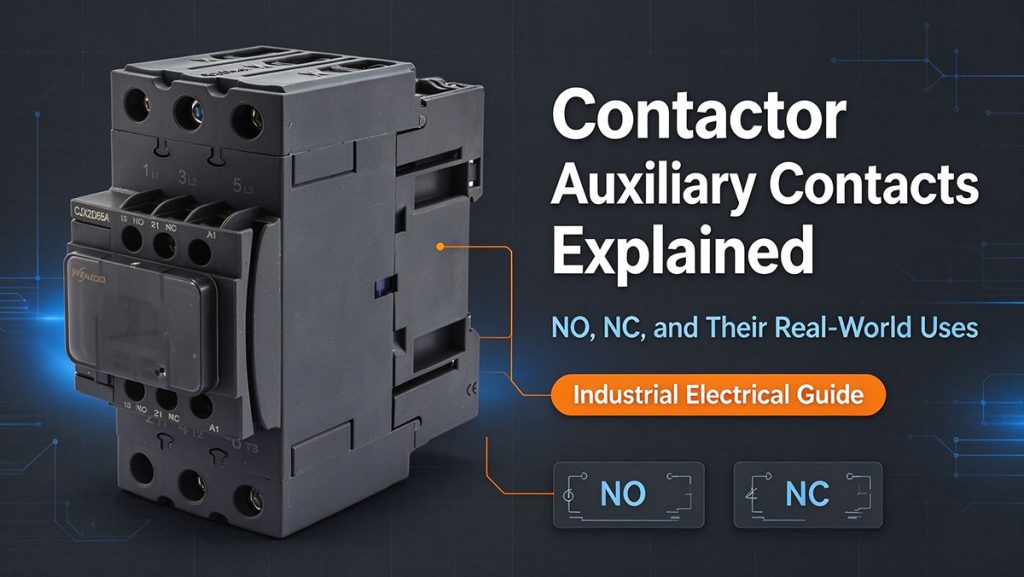
Auxiliary contacts may be small components, but they help contactors work smoothly with control systems, indicator lights, and protective circuits. Understanding their contact states and configurations makes it easier to choose the right arrangement for a new panel or an existing installation. Key Takeaways Auxiliary contacts are used in control circuits for electrical signaling, interlocking, […]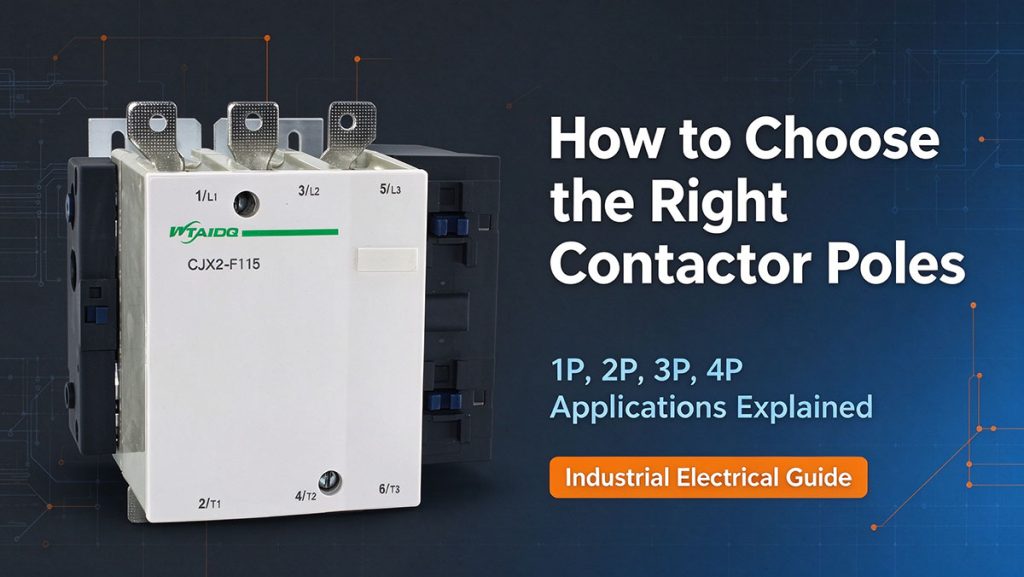
3-Pole vs 4-Pole Contactor: How to Choose the Right Pole Configuration
A contactor may look like a straightforward component, but choosing the wrong pole configuration can complicate wiring and affect how a circuit operates. Understanding the difference between 3-pole and 4-pole contactors helps engineers, electricians, and equipment buyers select a device that fits the electrical system without unnecessary complexity. Poles Are Not Phases Poles describe the […]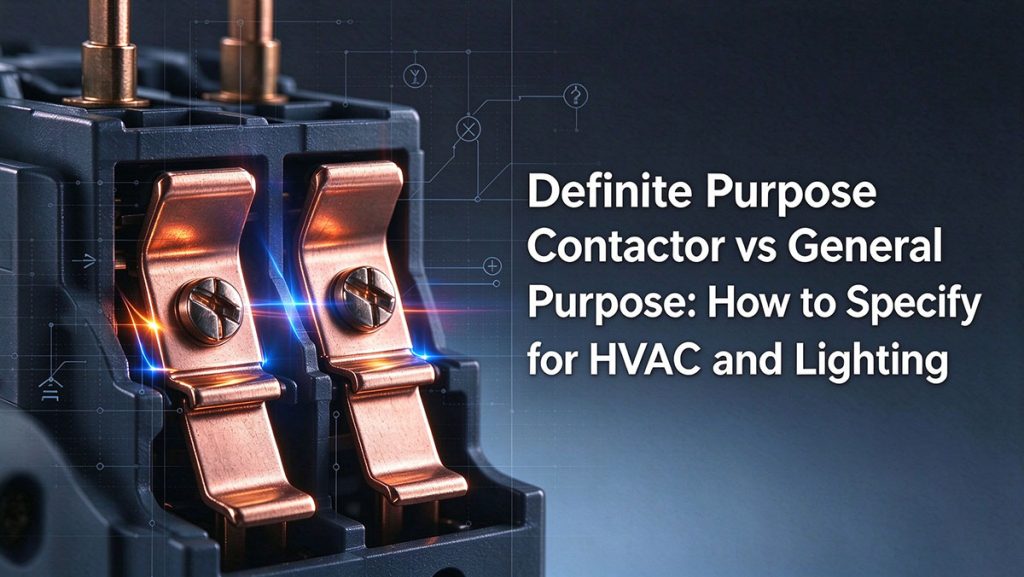
Definite Purpose Contactor vs General Purpose: How to Specify for HVAC and Lighting
Choosing between a definite purpose contactor and a general-purpose contactor starts with understanding the load, not simply comparing the labels. In HVAC and lighting systems, the right specification depends on starting current, switching duty, pole configuration, coil voltage, and the protection provided elsewhere in the circuit. Key Takeaways Targeted HVAC Application Definite purpose contactors are […]
Contactor Ratings Explained: Voltage, Phase, Frequency and Control Voltage
Choosing a contactor involves more than matching an ampere value to a motor or electrical circuit. Voltage, phase configuration, coil specifications, and switching duty all affect whether a device is suitable for its intended application. Understanding these ratings makes it easier to compare products, read nameplates, and avoid common selection mistakes. Why Rated Current Alone […]
Contactor vs Relay: What’s the Difference and When to Use Each
Relays and contactors both use control signals to switch electrical circuits, but they are designed for different working conditions. Knowing the difference helps engineers select suitable components for control panels, industrial equipment, and power distribution systems without adding unnecessary complexity or compromising safety. Key Takeaways Control & Automation Relays are commonly used in control circuits, […]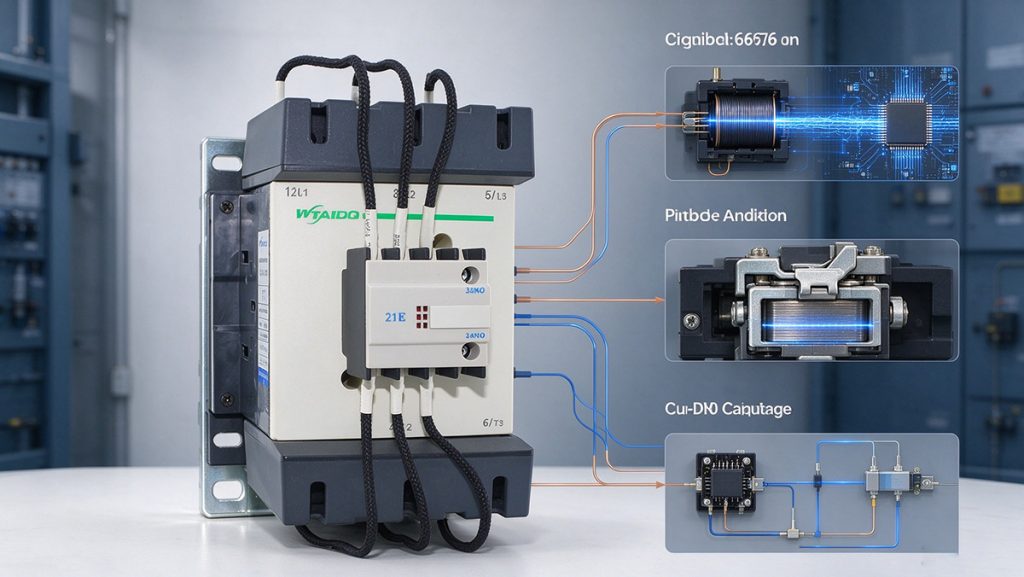
Low-Consumption Contactor Coils: How to Cut Panel Heat and Standby Energy
A contactor coil is usually treated as a fixed overhead in a control panel. It is not fixed. An alternating current coil naturally changes impedance as the armature physically closes, meaning the sealed holding current falls safely below the initial pull-in current. A direct current coil behaves entirely differently. Its current is set by fixed […]
Why Megawatt Charging for Heavy Trucks Requires a Totally New Approach to DC Contactors
Heavy commercial electric trucks absolutely cannot rely on passenger vehicle charging architectures. Returning hundreds of kilowatt hours to a forty-ton vehicle within a strict mandatory driver rest period pushes electrical demand directly into the megawatt range. The Megawatt Charging System standard explicitly defines this extreme interface, and it fundamentally rewrites the rules for electrical distribution. […]